Tulum sells itself on barefoot luxury and jungle calm, and most visitors get exactly that. It is also one of the few places on the Riviera Maya where a stray security incident has made international headlines, so it deserves a more detailed look than “it’s fine”. Here is what we would tell a friend booking a trip to Tulum in 2026.
The 2026 advisory level
Tulum sits in Quintana Roo, which the US State Department rates at Level 2: Exercise Increased Caution (as of June 2026), citing crime and kidnapping risk. Officials have advised extra awareness after dark in Tulum, Playa del Carmen and downtown Cancún. Levels are reviewed regularly, so check the US State Department Mexico advisory and the UK FCDO guidance shortly before you travel. Our Mexico safety overview explains how advisories vary by state.
Area by area
The beach road (Zona Hotelera). The 10-kilometre strip of boutique hotels, beach clubs and restaurants is the most visited area. Crime here is mostly opportunistic: phones left on loungers, bags in unlocked rooms, and pickpocketing at crowded beach parties. After dark the road is poorly lit and has few pavements. Use a taxi or pre-booked ride between venues rather than walking. Our Tulum vs Cabo comparison covers how its vibe compares with other beach destinations.
Tulum Pueblo (the town). Avenida Tulum has restaurants, bars and shops and is lively until late. It is safe for evening dinners in busy sections. Side streets towards the edges of town are quieter and less well lit, and bike thefts are common, so lock your bike properly.
Aldea Zamá and La Veleta. Newer residential and condo areas between the town and the beach. Quiet, generally fine, but the roads have dark stretches and construction. A taxi after dinner is the better call.
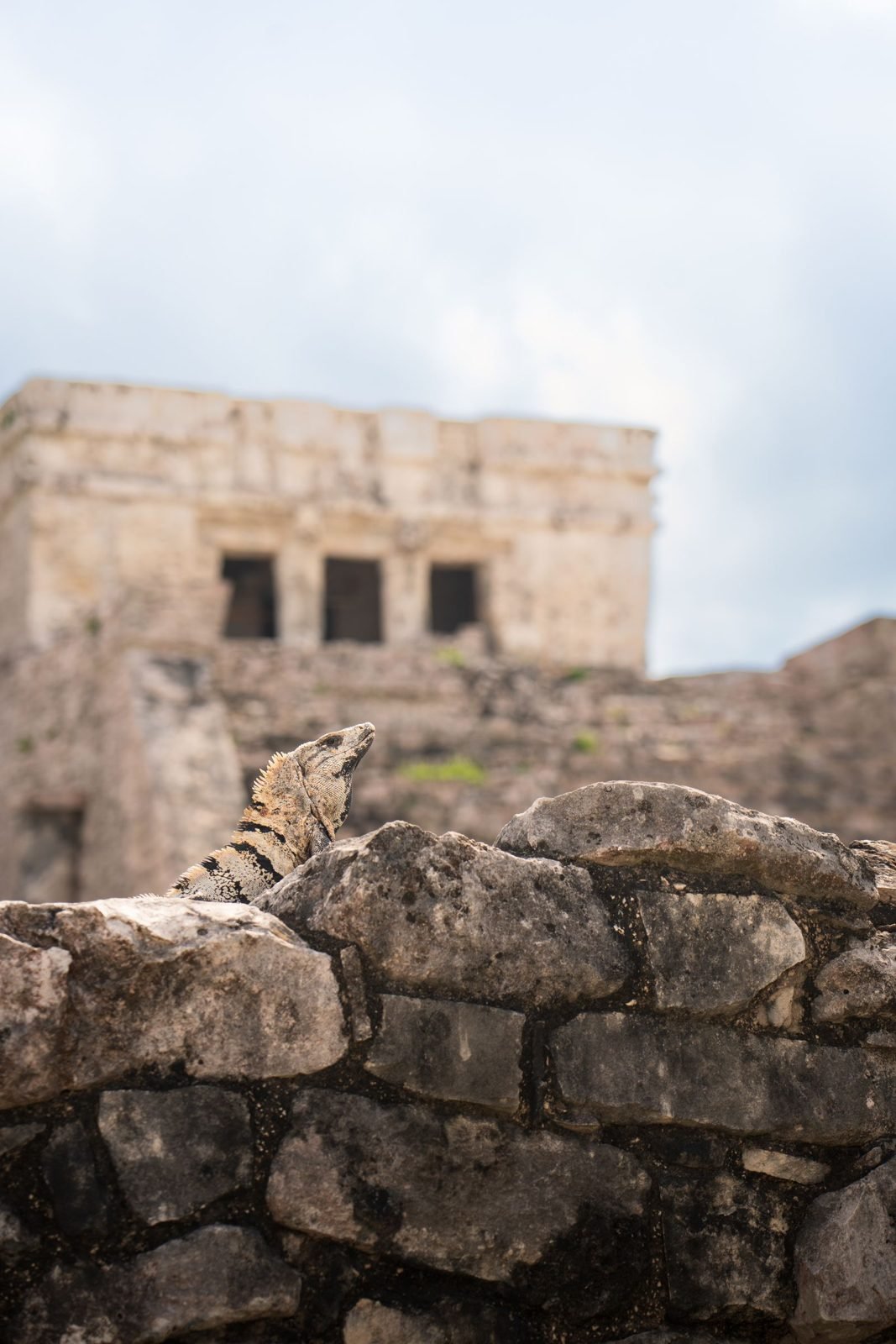
Tulum ruins and the national park. Safe, patrolled and busy. Go early to beat the heat and the tour buses, and read our Tulum things to do page for the best times to go. Do not leave valuables in cars in the car park.
Cenotes. Reputable cenotes along Highway 307 (Gran Cenote, Cenote Calavera and others) are safe with their life jackets and staff. Watch for informal “guides” who offer to show you a “secret” cenote on private land.
Getting around safely
- Taxis: Run by a local union and fixed by zone, with no meters. Expect to pay around MXN 300 to 600 for a typical ride between town and the beach road as of 2026. Confirm the fare before you get in.
- Uber: Often unavailable or confronted by taxi drivers. Do not rely on it to get home at night.
- Bikes: The most common transport in town. Rent from established shops and lock the bike to a fixed object.
- Airport transfers: Tulum’s airport is about 45 minutes from the beach road. Pre-book a transfer rather than arguing at the curb; our Tulum airport transfer guide compares prices.
- ADO bus: The Tulum bus station in town is safe, with frequent first-class departures to Cancún and Playa del Carmen.
- Driving: Highway 307 is busy and well patrolled by day, but plan to arrive before dark. Keep valuables out of sight in a rental car.
What actually goes wrong
- Theft from rooms and beach clubs. Use hotel safes or lockers; bring only what you need to the beach.
- Overpriced services. Beach-club minimum spends and taxis charging “tourist” rates. Ask for prices up front.
- Drink spiking and party-drug risk. Fake or contaminated alcohol is a known risk in some places. Stick to reputable venues and avoid buying drugs, which carry legal and health dangers.
- Sun, surf and cenote injuries. More tourists get hurt jumping into cenotes or riding scooters than by crime. Lifeguards are not guaranteed on the beach road, and the Caribbean surf can be rough.
- Cash machines. Use bank ATMs in town rather than standalone machines on the beach road.
If you want tours without haggling, compare licensed operators on Tulum tours in advance.
Travel insurance for Tulum
Private clinics in Tulum are small, and serious cases are often moved to Cancún or Playa del Carmen, which can mean an expensive ambulance transfer. Activities such as cenote swimming, scooter riding and snorkelling are typically covered by standard policies but not always; read the activity list. Get Mexico travel insurance before you go, and see our travel insurance guide for Mexico for what to check.
Bottom line
Tulum is safe for travellers who treat it like any busy beach destination: lock things up, use trusted transport at night, avoid dark stretches on foot and be careful with alcohol and activities. Plan the rest of your stay with our Tulum city guide.