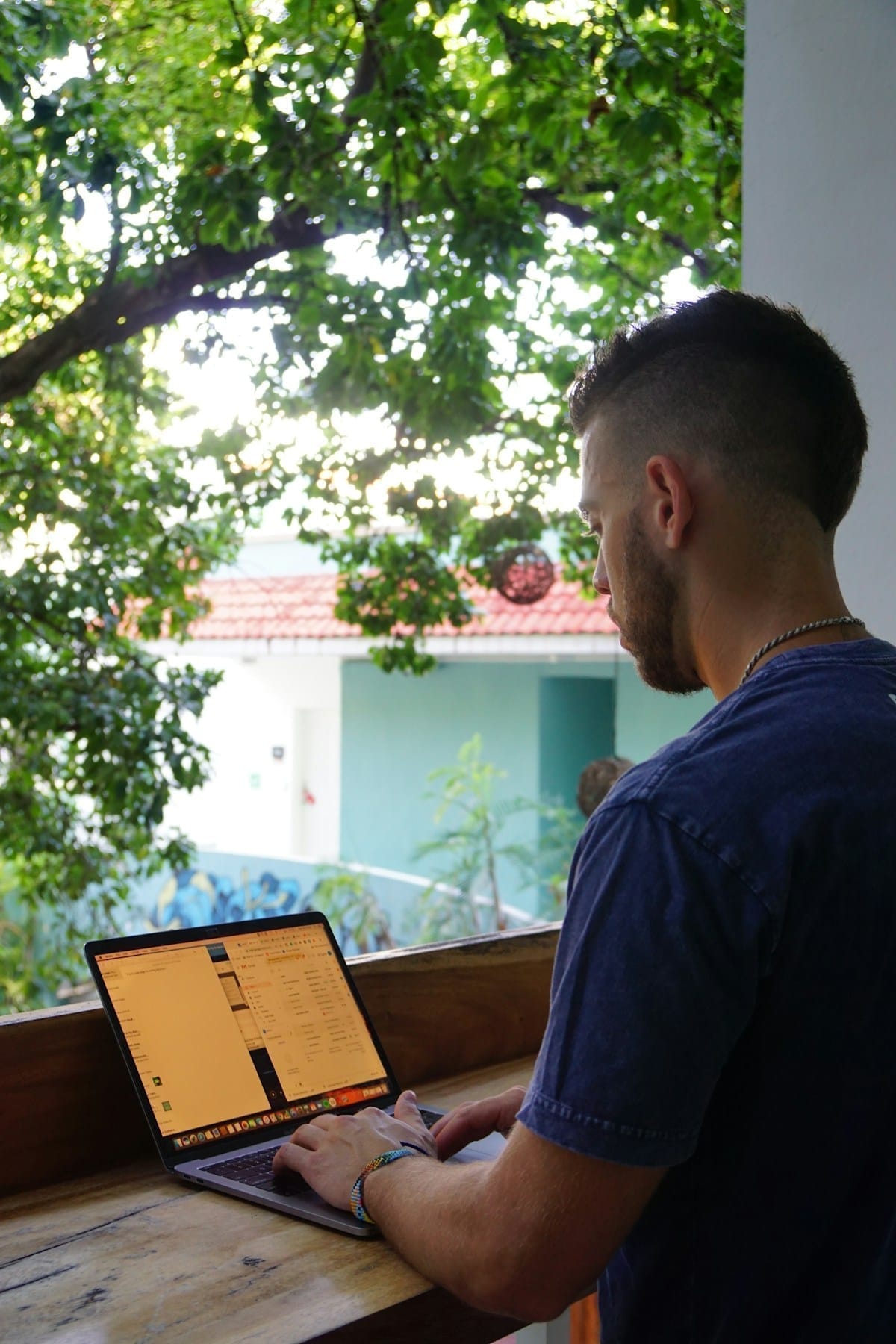
Mexico has become one of Latin America’s top remote-work destinations for a straightforward reason: excellent value, reliable infrastructure in the major cities, and a tourist card that grants stays of up to 180 days without the bureaucracy of a formal visa. Time zones are a practical bonus — Mexico City runs on CST (UTC−6), keeping significant overlap with US East and West Coast clients, while Playa del Carmen sits in EST (UTC−5). Whether you want rooftop bars in Mexico City’s Roma Norte, morning waves in Playa del Carmen, or mezcal and mole in Oaxaca, there is a base here for most working styles. Direct flights connect Mexico City to New York in under 5 hours, Los Angeles in 4, and Toronto in 4.5.
Visa Situation
No formal digital nomad visa exists in Mexico as of 2026, but the standard tourist card (Forma Migratoria Múltiple, FMM) issued on arrival covers up to 180 days — enough for a full six-month stint. Citizens of the US, UK, Canada, EU, and Australia qualify automatically.
If you want to stay longer, two official paths exist:
Temporary Resident Visa (Residente Temporal / FM3): Requires proof of monthly income from abroad — approximately USD 2,600 per month as of 2026, or USD 43,000 in savings. Valid for one year, renewable to four. Apply at a Mexican consulate before you travel.
Rentista category: A sub-category of the Temporary Resident Visa aimed at people with passive income (investments, pensions, rental income). Income threshold is similar — around USD 2,600/month from passive sources — but wages from a Mexican employer disqualify you. Good fit for freelancers whose income looks passive on paper; consult a Mexican immigration lawyer for your specific situation.
Tax residency kicks in at 183 days per year. Most nomads stay under that threshold or consult a local accountant if they plan to base longer-term. The current rules are manageable, and the widespread presence of nomads in the major hubs means local accountants and relocation services are easy to find.
Best Cities for Digital Nomads
Mexico City
Mexico City is the infrastructure king. Fibre broadband in apartments averages 50–200 Mbps, and coworking spaces are abundant across the central boroughs.
Best neighbourhoods: Roma Norte and Condesa are the nomad heartlands — tree-lined streets, dozens of cafes with fast Wi-Fi, and strong English spoken in most venues. Polanco is more corporate and expensive. Coyoacán suits those who prefer quieter streets and local pace.
Coworking: WeWork operates several locations from around MXN 350/day (approximately USD 18). Coworking In MX in Roma Norte runs approximately MXN 250/day (USD 13) with reliable 100 Mbps. Selina Roma Norte is popular with long-term nomads and bundles coliving from approximately USD 600/month.
Approximate rent: Studio in Roma Norte — MXN 12,000–18,000/month (USD 600–900). One-bedroom furnished — MXN 18,000–28,000/month (USD 900–1,400).
Monthly budget: Approximately USD 1,400–2,200 for a comfortable lifestyle including accommodation, food, transport, and coworking.
Pros: World-class food and culture, strong internet, huge expat community, direct flights to most US cities.
Cons: Air quality in winter, traffic, altitude adjustment (2,240 m above sea level).
Oaxaca
Oaxaca punches well above its size. The colonial city centre is compact, walkable, and packed with independent cafes that cater to the laptop crowd — many with speeds of 30–80 Mbps.
Best neighbourhoods: Jalatlaco is the most sought-after — cobbled lanes, colourful facades, and a handful of excellent cafe-workspaces. Centro Histórico is convenient and walkable. Xochimilco offers quieter streets and lower rents.
Coworking: Espacio Abierto near the Zócalo charges approximately MXN 150/day (USD 8). La Cosecha co-work-cafe model costs around MXN 120/day (USD 6) with decent speeds.
Approximate rent: Studio in Jalatlaco — MXN 8,000–13,000/month (USD 400–650). One-bedroom furnished — MXN 10,000–18,000/month (USD 500–900).
Monthly budget: Approximately USD 1,100–1,700 — Oaxaca is the most affordable hub on this list.
Pros: Exceptional food scene, rich Indigenous culture, low cost of living, good nomad community.
Cons: Slower internet outside dedicated coworking, fewer direct international flights, limited corporate networking.
Playa del Carmen
Playa del Carmen attracts beach-lifestyle nomads who still need reliable connectivity. The tourist infrastructure means fibre is available in most central apartments, and speeds of 50–150 Mbps are standard in coworking spaces.
Best neighbourhoods: Zazil-Ha and Centro (between Quinta Avenida and the beach) put you walking distance from coworking and the sea. Playacar Phase 2 is quieter and residential. El Cielo suits longer-term stays with more local character.
Coworking: Selina Playa del Carmen runs day passes from approximately USD 15. La Oficina PDC offers passes from approximately USD 10/day with 100 Mbps fibre. Nest Coworking charges around USD 12/day.
Approximate rent: Studio in Centro — USD 650–1,100/month. One-bedroom with AC near 5th Ave — USD 900–1,500/month. Prices spike in December–March high season.
Monthly budget: Approximately USD 1,600–2,400 — higher than Oaxaca due to tourism-driven costs.
Pros: Caribbean lifestyle, beach commute, strong nomad scene, excellent connectivity.
Cons: Expensive by Mexican standards, very touristy, seaweed season (April–August) affects beaches.
Guadalajara
Mexico’s second city is the country’s tech hub. Guadalajara hosts a thriving startup ecosystem, multiple university campuses, and a steadily growing coworking density — making it the best choice for nomads who want professional networking alongside remote work.
Best neighbourhoods: Chapultepec and Americana are the go-to areas — full of cafes, bars, and shared workspaces within walking distance. Zapopan suits families and those wanting a calmer suburban pace with easy metro access.
Coworking: IUSA WorkSpace in Americana charges approximately MXN 280/day (USD 14). WeWork Guadalajara runs from MXN 350/day (USD 18). Café Conciencia doubles as a productive cafe-workspace for around MXN 80 entry including a drink (USD 4).
Approximate rent: Studio in Chapultepec — MXN 10,000–16,000/month (USD 500–800). One-bedroom furnished — MXN 14,000–22,000/month (USD 700–1,100).
Monthly budget: Approximately USD 1,300–2,000 — comparable to Mexico City but with lower competition for rentals.
Pros: Tech ecosystem, excellent tequila country access, cooler climate than coastal cities, underrated food scene.
Cons: Further from international tourist routes, fewer English speakers outside tech/expat circles.
Mérida
Mérida is the Yucatán capital and a fast-rising nomad base — lower cost than Playa del Carmen, proper city infrastructure, and a distinctly local character that survives heavy tourist interest. Fibre speeds of 30–100 Mbps are standard in central apartments; coworking density is lower than Mexico City but growing.
Best neighbourhoods: Centro Histórico for walkability; Santiago and García Ginerés for tree-lined streets and calmer pace. Santa Ana is popular with long-term expats.
Coworking: Espacios Mérida in Centro runs approximately MXN 180/day (USD 9). WeWork has not reached Mérida yet — independent operators fill the gap.
Approximate rent: Studio in Centro — MXN 8,500–14,000/month (USD 425–700). One-bedroom furnished — MXN 12,000–20,000/month (USD 600–1,000).
Monthly budget: Approximately USD 1,100–1,800. Heat (Mérida regularly hits 38°C) is the main drawback; co-working with AC is near-mandatory from April to September.
San Cristóbal de las Casas
San Cristóbal is the wild card: a colonial highland city in Chiapas at 2,200 m elevation, with a cool climate year-round and a laid-back creative community. Internet is the limitation — speeds of 15–40 Mbps are typical, and power cuts (cortes de luz) happen occasionally.
Best neighbourhoods: Barrio El Cerrillo and around Real de Guadalupe for cafe density and walking access. Centro is convenient but noisier.
Coworking: Espacio Comun on Real de Guadalupe charges approximately MXN 120/day (USD 6). Several cafes operate informal workspace setups for the price of a meal.
Approximate rent: Studio — MXN 5,000–9,000/month (USD 250–450). One of the most affordable long-stay bases in Mexico. Furnished apartments with reliable hot water are limited — verify before committing.
Monthly budget: Approximately USD 900–1,400 — the cheapest city on this list. Best for writers, creators, and anyone whose work tolerates slower connectivity.
Cost of Living Snapshot
| City | Studio Rent (USD/mo) | Monthly Budget | Coworking Day Pass |
|---|---|---|---|
| Mexico City | 600–900 | 1,400–2,200 | USD 13–18 |
| Oaxaca | 400–650 | 1,100–1,700 | USD 6–10 |
| Playa del Carmen | 650–1,100 | 1,600–2,400 | USD 10–15 |
| Guadalajara | 500–800 | 1,300–2,000 | USD 14–18 |
| Mérida | 425–700 | 1,100–1,800 | USD 9–12 |
| San Cristóbal | 250–450 | 900–1,400 | USD 6–8 |
All figures approximate as of 2026. Verify current rents on Facebook groups (e.g. “Expats in Mexico City Housing”) or Airbnb monthly discounts for initial arrival periods.
Practical Tips
SIM card: Telcel and AT&T Mexico offer the best nationwide coverage. A 50 GB data plan costs approximately MXN 300–400/month (USD 15–20). eSIMs work well in all four cities for initial setup.
Banking: Wise and Revolut cards work widely. ATM fees can be steep — most machines charge MXN 50–90 (USD 2.50–4.50) per withdrawal on top of your home bank’s fees. Withdraw larger amounts less frequently. OXXO convenience stores (ubiquitous across all six cities) accept cash deposits for many Mexican services and let you pay bills or top up digital accounts without a bank card — useful in the first week before your account setup is sorted.
Safety: Mexico’s security situation varies sharply by city and neighbourhood — national headlines rarely reflect conditions in the nomad hubs. Mexico City’s Roma Norte, Condesa, and Polanco are generally safe for day-to-day life; avoid Tepito and Doctores after dark. Oaxaca and Mérida have the lowest crime profiles of any city on this list and are widely considered two of Mexico’s safest urban bases. Playa del Carmen’s 5th Avenue corridor is well-patrolled; avoid deserted beach stretches at night. Guadalajara’s Zapopan and Americana are safe; do not stray into Oblatos or Miravalle without local guidance. San Cristóbal’s centre is safe but requires standard vigilance; surrounding Chiapas state has areas under OSAC advisory — stay in the city and check UK FCDO / US State Dept advisories before taking day trips. The nomad community WhatsApp groups (search “Nomads in Mexico City”, “PDC Digital Nomads”) give real-time local intelligence no travel advisory can match.
Spanish: Functional Spanish makes daily life significantly smoother outside tourist-facing businesses in PDC and Mexico City’s expat districts.
Mexico rewards nomads who do a little research upfront. The infrastructure is there; the value is exceptional by North American or European standards; and the culture, food, and access to nature make it one of the genuinely enjoyable places to be while you work.