Mexico and Colombia are two of Latin America’s most-visited countries and are frequently compared by travellers deciding where to take their first - or next - regional trip. Both have remarkable colonial cities, exceptional landscapes, and food scenes worth travelling for. But they offer genuinely different experiences. Here’s an honest comparison to help you decide.
Quick Verdict
| Mexico | Colombia | |
|---|---|---|
| Size | 1.97 million km² | 1.14 million km² |
| Capital | Mexico City (21 million) | Bogotá (12 million) |
| Daily budget | USD $40–140 | USD $35–120 |
| Food | World-class, UNESCO recognised | Good, excellent coffee |
| Beaches | Caribbean + Pacific, extensive | Caribbean coast + Pacific coast |
| Culture & history | Pre-Hispanic + colonial, very deep | Colonial + indigenous, strong |
| Best cities | Mexico City, Oaxaca, Guadalajara | Medellín, Cartagena, Bogotá |
| Best for | Food, archaeology, beach variety | Coffee, innovation (Medellín), Caribbean colonial |
Costs
Both countries are good value by international standards, though your spending will vary significantly by destination within each country.
Mexico approximate daily costs as of 2026:
- Budget: USD $35–60 (hostel, street tacos, local transport)
- Mid-range: USD $80–140 (boutique hotel, restaurant meals, occasional tours)
- All-inclusive Cancún: USD $100–200/person/night including all food and drink
Colombia approximate daily costs:
- Budget: USD $30–55 (hostel, local set lunches, metro)
- Mid-range: USD $70–120 (boutique guesthouse, restaurant meals)
- Cartagena walled city: budget significantly more - USD $100–200/night for boutique hotels
Both countries have street food options that make budget travel practical. Colombia’s menu del día (set lunch: soup, main, drink, dessert) for approximately COP $12,000–18,000 (approximately USD $3–4.50) has no direct equivalent in Mexico, making Colombia’s daytime meals even more affordable. See our Mexico budget costs guide for Mexico-specific planning.
Cities
Mexico City vs Bogotá: Both are massive, high-altitude capitals with world-class museum scenes. Mexico City’s cultural density (Anthropology Museum, Frida Kahlo, Templo Mayor, murals) is arguably without equal in Latin America. Bogotá has the Gold Museum (Museo del Oro) - one of the finest collections of pre-Columbian gold in the world - and a rapidly developing restaurant and nightlife scene, particularly in Zona Rosa and La Candelaria. Mexico City has the edge for sheer cultural volume; Bogotá has improved faster in recent years.
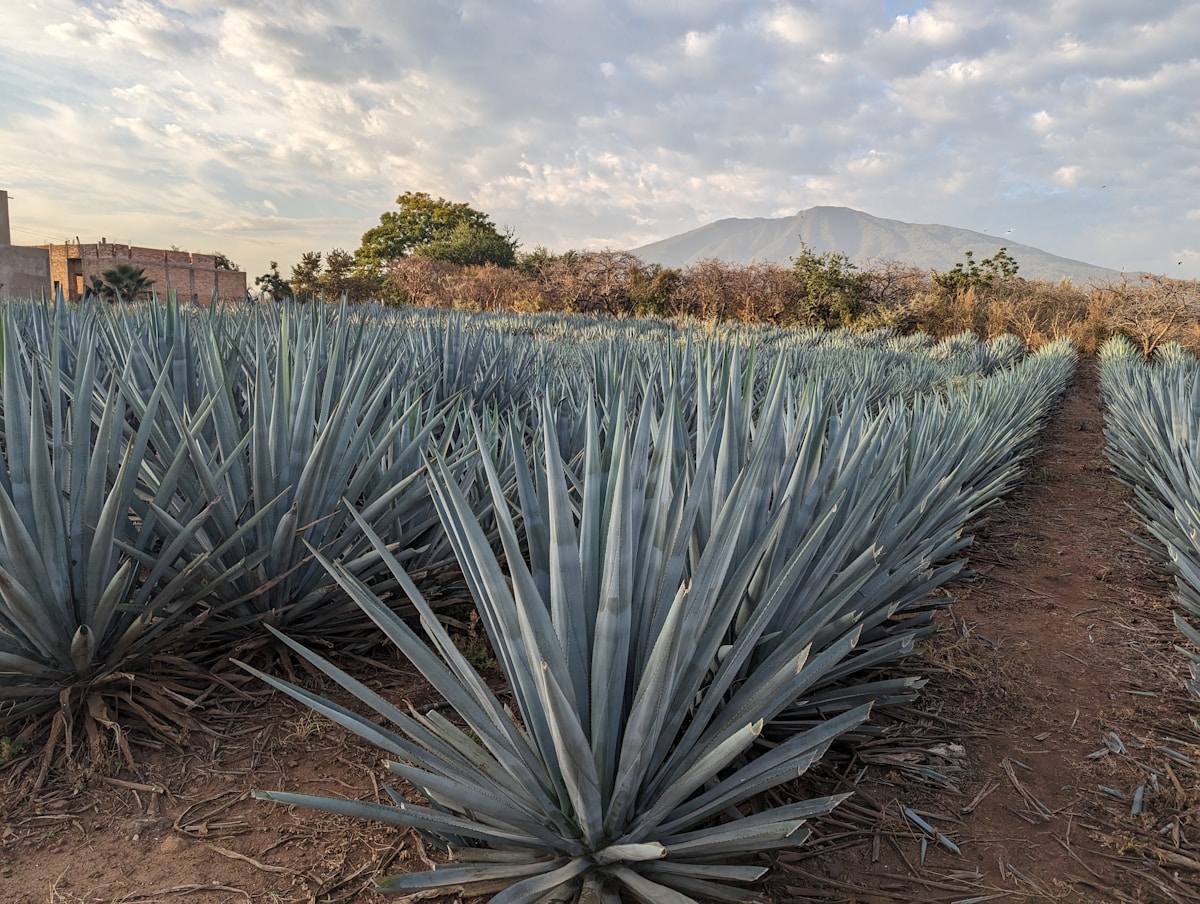
Medellín vs Guadalajara: Medellín is Colombia’s most celebrated urban transformation story - from the world’s most dangerous city in the 1990s to an internationally acclaimed design and innovation hub. The cable cars, escalators connecting hillside comunas to the centre, and the award-winning urban planning have made Medellín a genuine draw. Guadalajara is Mexico’s second city with a proud identity in tequila, mariachi, and regional cuisine. Medellín wins on infrastructure innovation; Guadalajara on food and cultural heritage. Read more on the Guadalajara city hub.
Cartagena vs Oaxaca: Cartagena’s walled city is one of the Americas’ finest colonial preservation projects - coloured balconies, bougainvillea, and Caribbean heat combine in a genuinely beautiful setting. However, Cartagena has inflated significantly in price and the tourist-versus-local balance has tipped heavily commercial in the walled city. Oaxaca has a similar colonial atmosphere with a more embedded food culture, more accessible day trips, and - off the main tourist strip - a more authentic neighbourhood feel. Read more on the Oaxaca city hub.
Beaches
Mexico has significant beach advantages in volume and variety. The Caribbean coast (Cancún, Tulum, Cozumel, Playa del Carmen) offers reliably calm, turquoise, resort-quality beaches. The Pacific coast (Puerto Vallarta, Zihuatanejo, Oaxacan coast) adds surf and dramatic jungle scenery. The Baja Peninsula is unique in the world for desert-meets-ocean landscape.
Colombia’s Caribbean coast (Cartagena, Santa Marta, Tayrona National Park) has excellent beaches. The beaches in Parque Nacional Natural Tayrona - Cabo San Juan, Playa Cristal - are among the most beautiful in South America. However, access requires hiking, Colombian national parks have accommodation limitations, and the infrastructure is less developed than Mexico’s resort coast. Nuquí and Pacific Colombia beaches are extraordinary but very remote. For ease, variety, and resort-quality beach infrastructure, Mexico has a clear advantage.
Food and Coffee
Mexico’s culinary culture is profound and varied. See our regional cuisines guide for the full picture. Oaxacan mole, Yucatecan cochinita pibil, Mexico City tacos al pastor, Veracruz-style fish, and Baja wine country represent just a fraction of what the country offers. Mexican food is a legitimate reason to travel to Mexico; it rewards weeks of dedicated eating.
Colombia’s food is satisfying and affordable but not a primary travel draw for most international visitors. The bandeja paisa (beans, chicharrón, ground beef, plantain, rice, avocado, egg, arepa) is filling and cheap but not complex. What Colombia does better: coffee. The Colombian Coffee Region (Eje Cafetero) - towns like Salento, Manizales, and Armenia - offers farm-to-cup coffee experiences and extraordinary mountain scenery. If specialty coffee is a priority, Colombia wins clearly.
Nature and Adventure
Mexico: Whale shark swimming (Holbox, June–September), grey whale watching in Baja (January–April), cenote diving in the Yucatán’s underground river systems, the Copper Canyon (Barrancas del Cobre, larger than the Grand Canyon), and the Sea of Cortez marine ecosystem.
Colombia: Parque Nacional Natural Tayrona (jungle-to-beach), Parque Nacional Natural Los Nevados (high-altitude volcano trekking), the Lost City (Ciudad Perdida, a 4-day jungle trek to pre-Columbian ruins), and the Amazon accessible from Leticia in the south.
Getting There
Mexico has more direct flight options from the US, Canada, and Europe than Colombia. Cancún, Mexico City, Los Cabos, Puerto Vallarta, and Guadalajara all have significant direct international connections. Mexico City is also a major hub for onward connections throughout Latin America.
Colombia’s main international gateways are Bogotá’s El Dorado International (BOG) and Medellín’s José María Córdova Airport (MDE). US carriers have good direct service; European connections are fewer and usually connect via Miami or Bogotá.
Verdict
Choose Mexico if:
- Food culture is a primary travel motivation
- You want beach variety (Caribbean and Pacific)
- You’re visiting colonial cities and archaeological sites (Oaxaca, Mexico City, Mérida)
- You’re flying from Europe (better direct options)
- All-inclusive beach holidays appeal
Choose Colombia if:
- Specialty coffee culture is important
- The Medellín transformation story appeals
- Cartagena’s Caribbean colonial atmosphere is on the list
- You want a more compact South American experience
- Budget is particularly tight (slight edge to Colombia)
For travellers with 3+ weeks in the region, Mexico and Colombia together make an extraordinary Latin American trip - the two countries are different enough that they feel genuinely complementary rather than repetitive.
Plan your trip: flights to Mexico · travel insurance · tours across Mexico.
Related City Guides
Ready to Plan Your Trip?
See our itineraries for inspiration:
- 1 Week Mexico - one week covering Mexico City, Oaxaca and the beach
- 10 Days Mexico - ten days from the capital to the Caribbean
- 2 Weeks Mexico - the two-week Mexico circuit
- Budget Mexico Itinerary - a full Mexico trip on a budget
🏨 Hotels in Mexico —