Mexico is one of the most welcoming countries in the world, but a little cultural awareness goes a long way. Knowing the unspoken rules around greetings, dress, dining, and behaviour in people’s homes helps visitors avoid awkward moments and builds genuine goodwill with locals. This guide covers the customs that matter most for travellers.
Greetings and Social Interaction
Mexicans are warm, tactile, and value personal connection. When meeting someone for the first time, a handshake is standard between men. Women greeting women, or men greeting women they know, typically exchange a single kiss on the cheek. Among friends, this applies almost universally. Skipping the greeting entirely, or nodding from a distance, reads as cold.
Use formal titles until invited to do otherwise. “Senor,” “Senora,” and “Senorita” are used frequently. If you speak any Spanish, a genuine attempt matters more than perfection. Locals appreciate effort.
Eye contact during conversation signals respect and attention. Avoiding it comes across as disinterest or evasiveness. Conversations often start slowly, with small talk about family or the city before any business or practical matter is raised. Jumping straight to the point can feel abrupt.
Personal space norms sit closer than in northern Europe or North America. Standing at arm’s length is typical. Stepping back to create more distance can unintentionally signal discomfort or disrespect.
Dress Codes
Religious sites: Mexico’s churches are active places of worship, and dress expectations are strictly observed. At the Basilica de Guadalupe in Mexico City, the most-visited Catholic pilgrimage site in the Americas, and at colonial-era churches throughout Oaxaca, Puebla, San Cristobal de las Casas, and Merida, the expectation is covered shoulders and knees for all visitors. Sleeveless tops and shorts above the knee are not permitted inside. Most churches have a small rack of shawls or paper skirts near the entrance that visitors can borrow for free. Carry a light layer rather than relying on this.
Beaches: Beachwear stays on the beach. Wandering through town in a bikini top or bare chest, even in resort areas like Tulum or Puerto Vallarta, draws attention and is considered inappropriate outside beach zones and pool areas. Cover up before entering shops, restaurants, or markets adjacent to the beach.
Restaurants: Dress expectations depend heavily on the type of venue. Casual taquerias and market stalls have no expectations beyond basic decency. Mid-range and upscale restaurants, including Mexico City venues like Pujol in Polanco or Quintonil in Polanco, expect smart casual at minimum. Arriving in beach shorts and a vest to a reservation-required restaurant is genuinely out of place. For fine dining, err toward what you would wear to a good restaurant at home.
Tipping Culture
Tipping is expected and meaningful in Mexico. The standard at sit-down restaurants is 10 to 15 percent for ordinary service, 15 to 20 percent for attentive or excellent service. Tips are rarely included in the bill automatically, though some tourist-area restaurants add a “propina sugerida” line. Always check the bill before adding your own.
For a full breakdown including taxi drivers, hotel staff, tour guides, and street food vendors, our dedicated tipping in Mexico guide covers every scenario with specific amounts.
Bargaining
Bargaining is appropriate in markets but not in shops with fixed price tags. At Mercado de Artesanias in Mexico City, Mercado 20 de Noviembre in Oaxaca, and artisan markets throughout the country, gentle negotiation is expected and usually welcomed. Opening with 60 to 70 percent of the asking price, then meeting somewhere in the middle, is a standard approach.
A few rules: Never bargain if you do not intend to buy. Once a seller agrees to your price, you are expected to complete the purchase. Aggressive or dismissive bargaining is considered rude and creates a bad interaction for both sides. Conversational, respectful haggling works better and usually produces a better result.
Do not bargain at grocery stores, pharmacies, chain restaurants, or anywhere prices are posted on a board or menu.
Photography Rules
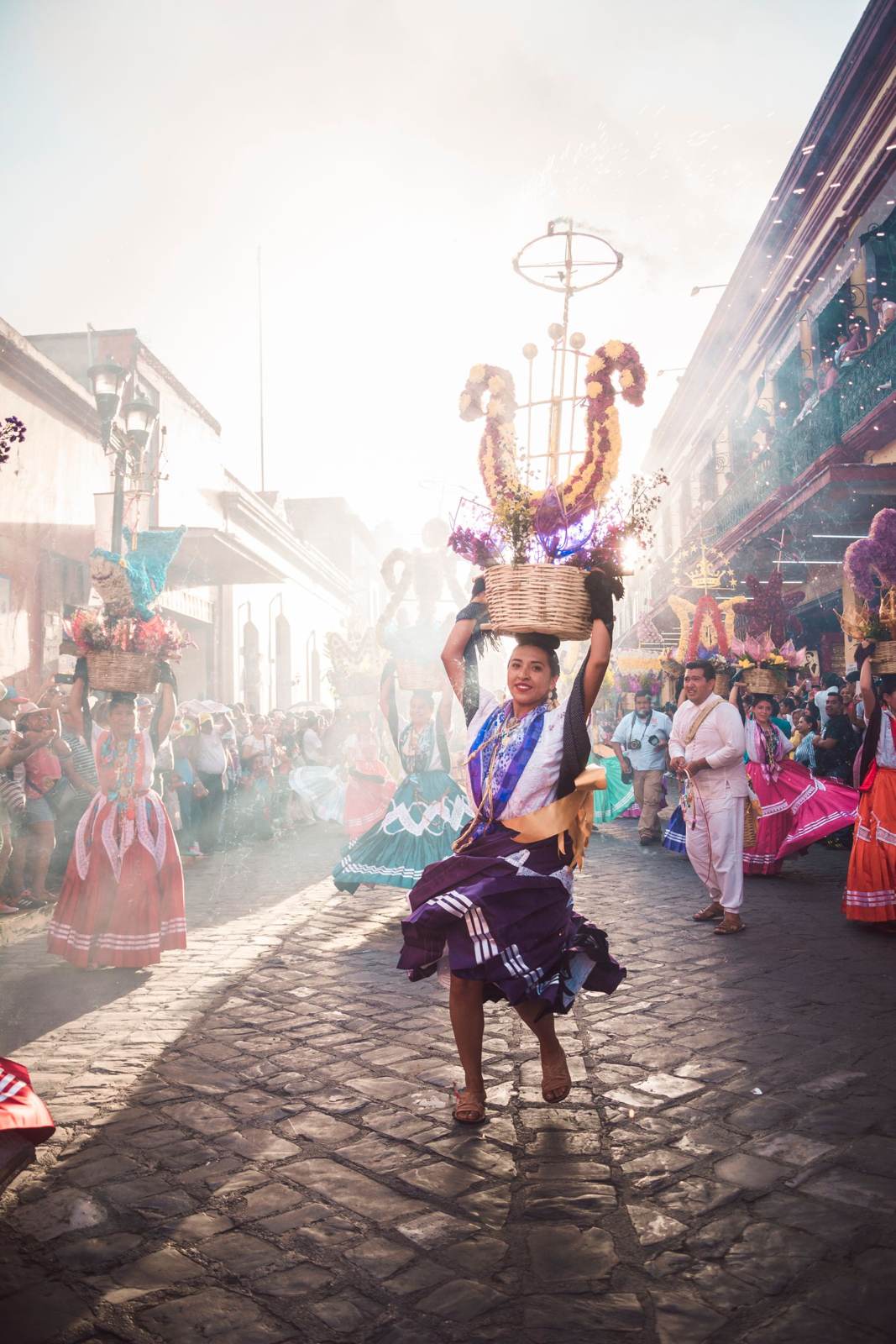
Always ask before photographing people, especially indigenous vendors, market sellers, or anyone in traditional dress. Many people are happy to agree, particularly if you make a genuine connection first. Some will ask for a small tip in return, which is reasonable.
At archaeological sites like Teotihuacan and Chichen Itza, photography of the ruins is permitted and encouraged. However, photographing certain areas inside the Basilica de Guadalupe, including during mass, is not permitted. Look for signs or follow what other visitors are doing.
In indigenous communities, especially in Chiapas around San Cristobal de las Casas and the surrounding villages, photography restrictions can be strict. Some communities charge a photography fee at the entrance. Others prohibit photography of residents entirely. Respect these rules and signage. Photographing without permission in these areas can cause genuine offense and has led to confrontations with visitors in the past.
Dining Etiquette
Mexican meals are social and unhurried. Arriving at a dinner slightly late, by 15 to 30 minutes, is considered normal and not rude. Arriving exactly on time to a home dinner invitation can catch the host off guard.
Wait to be seated rather than choosing your own table at smaller restaurants. At family-style and taqueria-style spots, it is common to sit at a shared table with strangers. This is not unusual and a brief greeting to other diners is appropriate.
“Buen provecho” (equivalent to “enjoy your meal”) is said when passing someone who is eating, even a stranger in a restaurant. Saying it to someone sitting down to eat is polite, and you will hear it often.
Meals are not rushed. Asking for the bill before you are ready to leave, or the moment you finish eating, is considered abrupt. Catch the waiter’s eye when you want to pay, but do not expect the bill to arrive automatically.
Tortillas are typically used as utensils at traditional spots. Using a fork to eat tacos at a taqueria stands out. Watch what locals do and follow their lead.
Behaviour in Mexican Homes
An invitation into a Mexican home is a meaningful gesture and should be treated as such. Arriving with a small gift is appreciated: wine, pastries from a local bakery, or something from your home country. Flowers are appropriate, though marigolds have a strong Day of the Dead association and are best avoided as a host gift.
Remove shoes at the entrance if you see shoes by the door, or follow the host’s lead. In many homes, particularly outside Mexico City, this is expected without being stated.
Complimenting the food is important and sincere. Food is central to Mexican family culture, and a dismissive or indifferent response to a home-cooked meal lands poorly. If dietary restrictions apply, mention them in advance rather than declining dishes at the table.
Meals may stretch for several hours. Leaving immediately after eating reads as rushing. Staying for conversation, coffee, and dessert is part of the visit.
Religious and Cultural Sensitivities
Catholicism runs deep across most of Mexico, though indigenous spiritual traditions remain strong in states like Oaxaca, Chiapas, and Michoacan. Showing respect for both, without conflating them or treating either as exotic, is the right posture.
Day of the Dead (Dia de los Muertos), celebrated on November 1 and 2, is a deeply personal family occasion. Attending public altars and cemetery vigils in cities like Oaxaca and Patzcuaro is welcomed, but treat the atmosphere with the same quiet respect you would give any commemoration of the dead. This is not a Halloween party.
Political discussions, particularly around Mexico-US relations, can carry strong feelings. If you are from the United States, be aware that opinions on the border, migration, and trade are diverse and often firmly held. It is a topic to navigate carefully rather than wade into casually.
Discussing wealth comparisons between your home country and Mexico, or making observations about poverty, is considered impolite. Mexicans are acutely aware of economic differences and do not need them pointed out by visitors.
With a basic grasp of these customs, most interactions in Mexico go smoothly and warmly. The country’s hospitality is genuine, and visitors who make an effort to meet locals on their terms almost always leave with a deeper experience than those who do not.