Mexico is one of the world’s great tourism destinations - a top-10 global performer year after year, with a combination of beach resorts, ancient ruins, colonial cities, and culinary diversity that no single-destination country can easily match. Here is the full picture in numbers, drawn from UNWTO reports, Mexico’s Secretaría de Turismo (SECTUR), and Banco de México data.
International Arrivals: Where Mexico Ranks
In 2023, Mexico received 42.5 million international tourists, placing it 7th in the world by arrivals according to UNWTO’s annual rankings. That puts Mexico ahead of much larger nations in tourism terms, and firmly in the same tier as Turkey, Saudi Arabia, and Russia.
The trajectory since 2020 has been steep:
- 2019 (pre-pandemic peak): 45.0 million arrivals
- 2020: 23.3 million (COVID collapse - down 45%)
- 2021: 31.9 million (partial recovery, one of the fastest globally)
- 2022: 38.3 million (back near pre-pandemic levels)
- 2023: 42.5 million (close to 2019 record)
- 2024 (preliminary): Estimated 45–47 million - a new record
Mexico’s recovery was faster than most comparable tourism economies. The Caribbean coast - especially Quintana Roo - never fully shut to international visitors, which gave Mexico a structural advantage.
Tourism Revenue
International tourism generated $28.6 billion USD in 2023 for Mexico, up from $22.8 billion in 2022. That revenue figure comes from Banco de México’s tourism account balance data and represents spending by foreign visitors on accommodation, food, transport, activities, and shopping within Mexico.
Tourism is one of Mexico’s top three sources of foreign currency, alongside manufacturing exports and remittances. In the border states of Baja California and Tamaulipas, day-tripper spending from US border crossings adds several billion dollars more that is tracked separately from overnight arrivals.
Where Visitors Come From
The source market concentration is striking. The United States supplies roughly 70–75% of all international arrivals, a dependency that reflects geography and the sheer size of the US outbound market more than any promotional success. The 3,145 km shared border means Mexico is the easiest international destination for most Americans.
Top source markets by arrivals (2023 estimates):
| Country | Share of arrivals |
|---|---|
| United States | ~72% |
| Canada | ~9% |
| United Kingdom | ~3% |
| Colombia | ~2% |
| Germany | ~1.5% |
| Argentina | ~1.5% |
| All others | ~11% |
European visitors are growing as a share, particularly from Spain, France, and Germany, driven by direct long-haul routes into Cancun and Mexico City. The Colombian and Argentine markets have grown sharply since 2021 as Latin American middle-class travel expanded.
Most Visited Destinations
Quintana Roo (Cancun, Playa del Carmen, Tulum, Cozumel) is Mexico’s undisputed tourism engine. The state receives approximately 22–24 million of Mexico’s total international arrivals each year. Cancun International Airport is Mexico’s second busiest, handling around 25 million passengers annually.
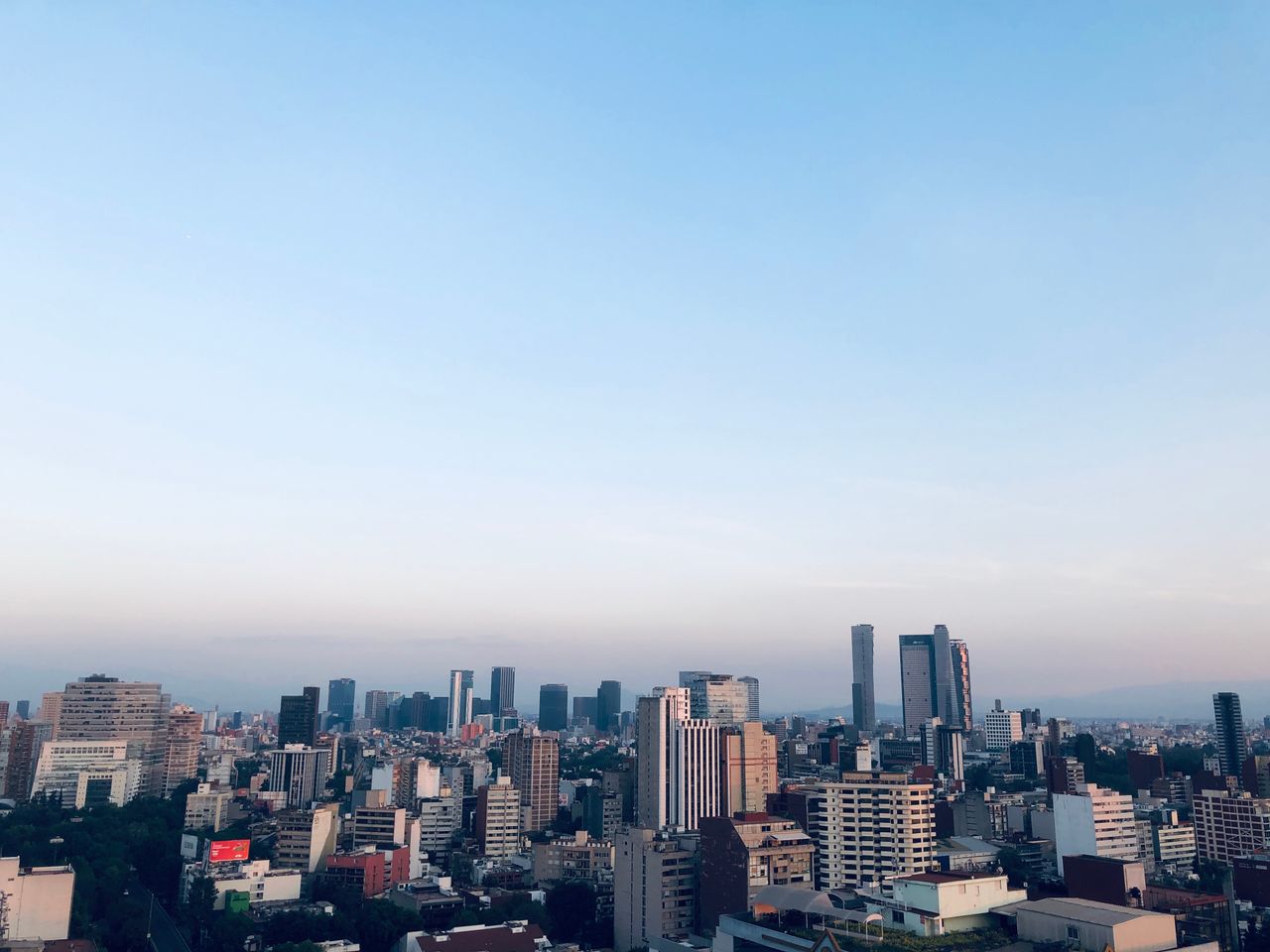
Mexico City draws around 12 million international visitors annually, making it the most visited non-beach destination and one of the top 15 most visited cities globally. The capital’s cultural depth - 160 museums, a UNESCO-listed historic centre, and one of the world’s great restaurant scenes - sustains multi-day stays.
Los Cabos (Baja California Sur) has been the fastest-growing resort destination, attracting primarily affluent US visitors. Los Cabos International Airport overtook Puerto Vallarta in passenger numbers around 2022 and now handles roughly 7–8 million passengers per year.
Oaxaca and San Miguel de Allende punch above their size, attracting high-spending cultural travellers. Average nightly spend in these cities often exceeds that of beach resorts, though total visitor volumes are smaller.
Domestic Tourism
International arrivals tell only part of the story. Mexico has a massive domestic tourism market - approximately 200 million domestic trips per year by Mexican residents. Key beach destinations like Mazatlán, Veracruz, and Acapulco historically serve more Mexican than foreign tourists. The domestic market also acts as a stabiliser: when international arrivals dropped in 2020, domestic travel partially cushioned the impact on local economies.
UNESCO Heritage Sites and Cultural Tourism
Mexico has 35 UNESCO World Heritage Sites as of 2024 - the most in the Americas and 6th in the world. These include Chichen Itza, Teotihuacan, Oaxaca’s historic centre, the Campeche colonial town, and the Agave Landscape of Jalisco. Chichen Itza alone draws approximately 2.5–3 million visitors annually, making it one of the most visited archaeological sites on earth.
Employment and Economic Weight
Tourism supports an estimated 9.5 million jobs directly and indirectly in Mexico - around 17% of the working population in some measure. The sector contributes approximately 8.7% of GDP directly, rising to an estimated 15–16% when indirect economic activity (transport, retail, agriculture supplying tourism) is included.
In Quintana Roo, the dependency is near-total: tourism accounts for over 80% of the state’s economic output.
Key Takeaways
Mexico’s tourism economy is large, recovery-resilient, and geographically concentrated. The Cancun–Riviera Maya corridor carries the weight of the industry, but Mexico City, Oaxaca, and Los Cabos are growing as standalone international draws. The country’s top-10 global ranking reflects genuine demand - the challenge is distributing that demand beyond the Caribbean coast.