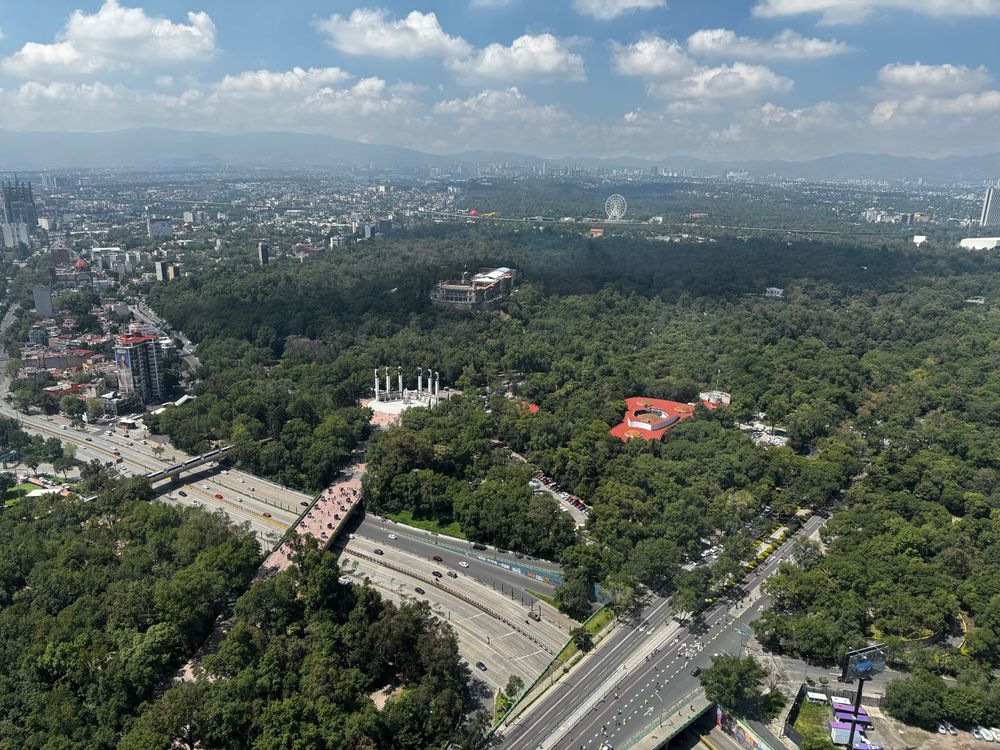
Mexico is the most-visited country in the Americas after the United States, and among the top ten globally. The country recorded 42.1 million international tourist arrivals in 2023, generating $30.2 billion in tourism receipts - a sector that accounts for approximately 8.7% of GDP and employs around 10 million people directly and indirectly. Below we’ve compiled the key figures from SECTUR (the Secretariat of Tourism), Banxico (Banco de México), and UNWTO.
International Arrivals
Mexico’s tourism numbers have tracked closely with US consumer confidence: when Americans travel, Mexico benefits enormously given the proximity and well-established airlift. The pandemic hit hard in 2020, but Mexico remained more open than most destinations, partially cushioning the fall. The recovery was the fastest in Latin America.
| Year | International Arrivals | Change YoY |
|---|---|---|
| 2019 | 45.0 million | +8.9% |
| 2020 | 24.3 million | −46.0% |
| 2021 | 31.9 million | +31.3% |
| 2022 | 38.3 million | +20.1% |
| 2023 | 42.1 million | +9.9% |
Source: SECTUR / Banxico.
UNWTO ranks Mexico 7th globally by international arrivals (2023 data), behind France, Spain, the United States, Türkiye, Italy, and Saudi Arabia. Mexico has held a top-ten position consistently since the 2000s, making it one of the world’s most stable major tourism markets.
Tourism Revenue
Tourism receipts are reported in US dollars by Banxico, measured through foreign-exchange inflows from international visitors. The figures below include air, land, and cruise arrivals.
| Year | Tourism Receipts | Average Spend per Visitor |
|---|---|---|
| 2019 | $24.6 billion | $547 |
| 2020 | $10.0 billion | $412 |
| 2021 | $19.4 billion | $608 |
| 2022 | $28.8 billion | $752 |
| 2023 | $30.2 billion | $717 |
Source: Banxico.
The slight dip in average spend per visitor from 2022 to 2023 reflects a composition shift - more land-border crossers and cruise visitors (lower average spend) relative to air arrivals (higher spend). Air-arrival tourists spend approximately $1,200–$1,400 per trip; land-border day-trippers average under $100.
Tourism accounts for around 8.7% of GDP and contributes significantly to employment in coastal states. Quintana Roo (Cancún, Riviera Maya, Tulum) generates around 35% of Mexico’s total tourism revenue from roughly 8% of its land area.
Top Source Markets
The United States is by far Mexico’s largest inbound market, accounting for around 60–65% of all international arrivals depending on the year. The proximity, direct flight connections from hundreds of US cities, and a substantial Mexican-American diaspora all reinforce this dominance.
| Source Market | Arrivals (2023, approx.) | Share of Total |
|---|---|---|
| United States | 26.5 million | 62.9% |
| Canada | 2.8 million | 6.6% |
| Colombia | 1.2 million | 2.8% |
| United Kingdom | 0.9 million | 2.1% |
| Argentina | 0.7 million | 1.7% |
| Germany | 0.6 million | 1.4% |
| Spain | 0.5 million | 1.2% |
| France | 0.5 million | 1.2% |
Source: SECTUR.
Canada’s large share reflects strong charter and package-holiday demand, particularly in winter months to resort destinations. Latin American source markets - Colombia, Argentina, Brazil - have grown steadily as regional air connectivity improved.
Most-Visited Destinations
Mexico City is the primary city-break destination and handles the highest total visitor volume, but the Cancún–Riviera Maya corridor generates the most tourism revenue per km², driven by high-occupancy all-inclusive resorts and concentrated beach demand.
| Destination | Annual Visitors (approx.) | Main Draw |
|---|---|---|
| Mexico City | ~12 million | Culture, history, food, business |
| Cancún / Riviera Maya | ~11 million | Beach resorts, diving, ruins |
| Los Cabos | ~3.5 million | Luxury resorts, sportfishing |
| Puerto Vallarta | ~2.5 million | Bay beaches, LGBTQ+ tourism |
| Guadalajara | ~2.0 million | Culture, tequila region, business |
| Tulum | ~2.0 million | Eco-tourism, Mayan ruins, nightlife |
| Oaxaca City | ~1.5 million | Food tourism, indigenous culture, Day of the Dead |
| Monterrey | ~1.5 million | Business travel, northern Mexico gateway |
Source: SECTUR regional data.
Tulum’s growth has been exceptional - from a small backpacker outpost in the early 2010s to a destination commanding rates of $300+ per night at boutique hotels. SECTUR data shows arrivals roughly tripling between 2015 and 2023, though infrastructure pressure and environmental concerns have prompted government-regulated growth controls.
Seasonality
Mexico’s peak season varies by region. Beach destinations (Cancún, Cabo) peak December–April (winter escape demand from North America) and again July–August (US/Canadian summer). Mexico City and cultural destinations are more even across the year, with peaks during spring (March–April) and autumn (October, boosted by Day of the Dead festival traffic).
| Quarter | Share of Annual Arrivals |
|---|---|
| Q1 (Jan–Mar) | 28% |
| Q2 (Apr–Jun) | 22% |
| Q3 (Jul–Sep) | 26% |
| Q4 (Oct–Dec) | 24% |
Source: SECTUR.
Q1 dominance reflects the US and Canadian winter market - January and February are peak months for Cancún and Los Cabos, with occupancy rates exceeding 85% at major resorts.
Domestic Tourism
Domestic travel is large and structurally important. SECTUR recorded approximately 300 million domestic overnight trips in 2023, generating an estimated 1.36 trillion pesos (approximately $80 billion at 2023 exchange rates) in domestic tourism spending. Popular domestic destinations include Acapulco (despite security concerns affecting international visitors), Mazatlán, Oaxaca, and the colonial cities of Guanajuato and San Miguel de Allende.
Domestic tourism provides a buffer against external shocks: during the 2020 pandemic, domestic travel declined far less steeply than international arrivals, helping sustain employment in coastal and cultural tourism zones.
Five-Year Outlook
SECTUR’s strategy targets 50 million international arrivals and $40 billion in receipts by 2030. The Tren Maya - a 1,554km railway connecting Cancún to Palenque via Tulum, Bacalar, and the Yucatán Peninsula - is expected to open new secondary destinations to mass tourism. The Felipe Ángeles International Airport north of Mexico City (opened 2022) is designed to relieve capacity pressure and reduce flight times from the US interior.
Data sourced from SECTUR (Secretaría de Turismo), Banxico (Banco de México), UNWTO Tourism Highlights 2024, and INEGI. Figures for 2023 are based on published official releases.