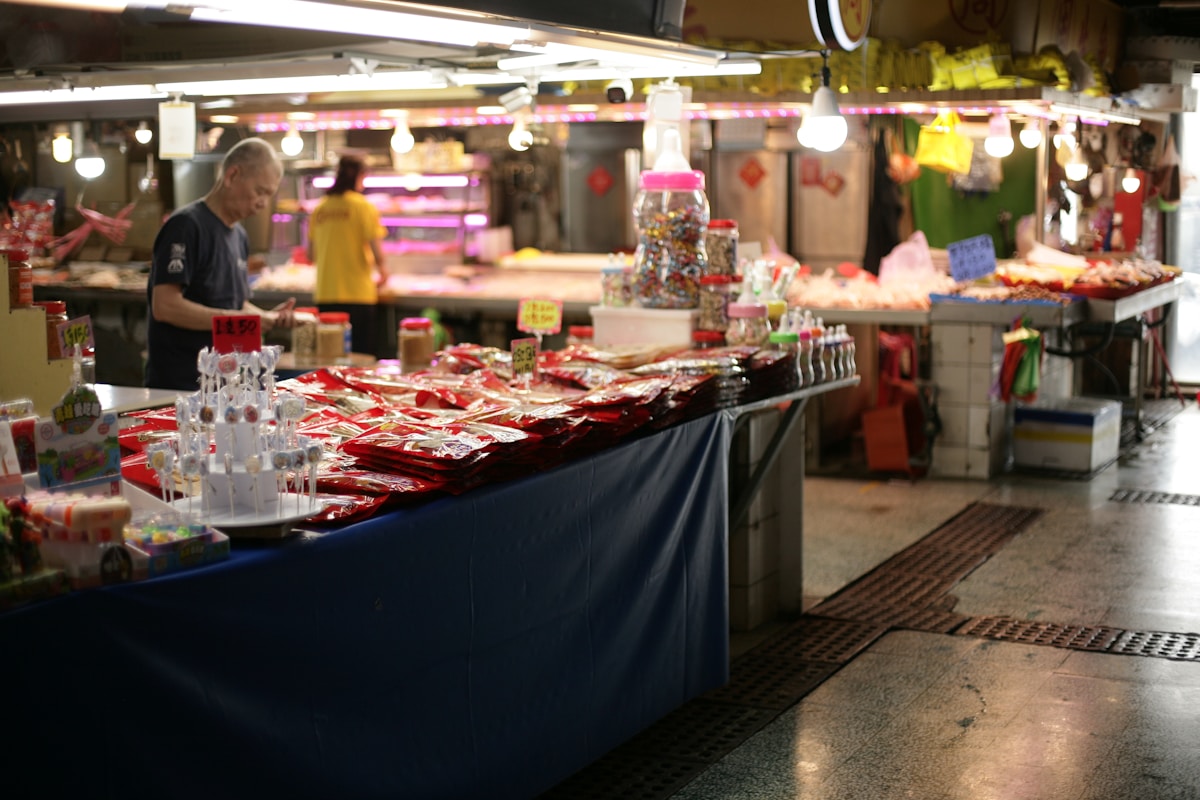
Oaxaca has earned its reputation as Mexico’s food capital through genuine quality and depth - not just marketing. The city and the valleys surrounding it produce ingredients found almost nowhere else: pasilla negro chillies dried in mountain air, mezcal from dozens of agave varieties distilled in village palenques, quesillo (Oaxacan string cheese) pulled fresh each morning, and grasshoppers toasted with lime and salt. The mole negro that is Oaxaca’s signature dish can take several days to prepare properly.
This guide focuses on named restaurants that consistently deliver. Prices are as of mid-2026 and will vary.
Top Food Experiences at a Glance
| Tour | Duration | Price (from) | Group Size | Highlights |
|---|---|---|---|---|
| Oaxaca Food & Mezcal Tour | 3 hrs | from $45 | Up to 12 | Tlayudas, chapulines, mezcal stops, Benito Juárez market |
| Cooking Class: Oaxacan Mole | 4 hrs | from $75 | Up to 8 | Market visit, mole negro, black beans, tortilla pressing |
| Oaxaca Mezcal Distillery Tour | 4 hrs | from $65 | Small group | Artisan palenques, agave types, hands-on tasting |
| Oaxaca Street Food & Chocolate Walk | 2.5 hrs | from $40 | Up to 12 | Tejate, chocolate caliente, tlayudas, local guide |
Browse all Oaxaca City food experiences → GetYourGuide
Fine Dining
Criollo - Calle Constitución 104, Centro Histórico. Founded by chef Jorge Vallejo (also behind Mexico City’s celebrated Quintonil) in collaboration with the Oaxacan culinary community, Criollo occupies a beautifully restored colonial building. The menu is rooted in Oaxacan ingredients and techniques, reinterpreted without theatrical excess - expect outstanding mole-based dishes, impeccable mezcal pairings, and desserts built around cacao from the Sierra Juárez. Tasting menu approximately MXN $1,800–2,200 per person as of 2026, excluding drinks. Reservations essential; book 1–2 weeks ahead.
Casa Oaxaca El Restaurante - Calle García Vigil 407, Centro Histórico. The restaurant attached to the boutique hotel Casa Oaxaca has long been a benchmark for creative Oaxacan cooking. Chef Alejandro Ruiz remains one of the most influential figures in the city’s culinary development. The rooftop terrace overlooks a colonial courtyard - romantic and well-suited to a special dinner. Three courses approximately MXN $1,200–1,600 per person as of 2026. Book ahead.
Origen - Calle Hidalgo 820, Centro Histórico. Chef Rodolfo Castellanos’ restaurant brings rigorous technique to Oaxacan ingredients - his approach is more architectural than folk-cooking nostalgia, and the results are consistently excellent. Good vegetarian options. Prix-fixe menus from approximately MXN $1,200 per person as of 2026.
Mid-Range Restaurants
Los Danzantes - Macedonio Alcalá 403, inside the cultural corridor. One of the pioneer restaurants of modern Oaxacan cuisine, Los Danzantes sits in a large colonial courtyard on the main pedestrianised arts street. The menu covers all the classics - mole negro, tasajo, enchiladas coloraditas - at mid-range prices. Dinner for two with mezcals approximately MXN $900–1,400 as of 2026. The attached mezcal bar is excellent.
La Biznaga - Calle García Vigil 512, Centro Histórico. A long-standing neighbourhood favourite with a calm courtyard and a menu that combines Oaxacan staples with good vegetarian and lighter options. The aguas frescas and house mezcal infusions are both outstanding. Lunch for two approximately MXN $400–700 as of 2026. No reservations taken; arrive before 14:00 or after 15:30 to avoid queuing.
El Destilado - Calle 5 de Mayo 409, Centro Histórico. Primarily a mezcal bar but with a serious food menu - small sharing plates designed around mezcal pairings. The raicilla and sotol selection is one of the most comprehensive in the city. Good for an extended evening of drinking and eating rather than a quick meal. Approximately MXN $500–900 per person as of 2026.
Itanoni - Avenida Belisario Domínguez 513, near Parque El Llano. The city’s definitive destination for antojitos made from indigenous Oaxacan corn varieties - yellow, blue, red, and black maizes ground in-house. Tlayudas, memelas, and tetelas here come from corn you cannot find at any other restaurant. Simple, fast, and inexpensive. Approximately MXN $120–200 per person for a full meal. No reservations.
Mezcal Bars
In Situ Mezcalería - Calle Morelos 511, Centro Histórico. The best mezcal bar in Oaxaca and one of the finest in Mexico. Owner Ulises Torrentera has curated a selection of over 400 mezcals from small Oaxacan producers - many barely available outside the region. Tasting flights from approximately MXN $200–400 as of 2026. Torrentera’s knowledge is extraordinary; don’t skip asking him for a recommendation. Standing room only on weekend evenings - arrive early.
Mezcalería Cuish - Calle Porfirio Díaz 102, Centro Histórico. A more approachable option than In Situ for mezcal newcomers - the staff offer patient explanations of agave varieties and production methods. Good botanas (snacks) to accompany drinks. From approximately MXN $80–150 per copita as of 2026.
Los Amantes Mezcalería - Calle Álvaro Obregón 104, Centro Histórico. Tiny, atmospheric, and packed in the evenings. The mezcal selection is curated and the vibe is distinctly local. Gets busy after 22:00. MXN $80–180 per copita as of 2026.
Markets and Street Food
Mercado 20 de Noviembre - Calle 20 de Noviembre between Las Casas and Cabrera, Centro Histórico. The city’s definitive street food market. The grilled meat corridor (known as the Pasillo de Humo, smoke corridor) lines the central hall with charcoal grills where vendors cook tasajo (salted beef), cecina (chilli-rubbed pork), and chorizo to order. Choose your meat at the butcher section, take it to the grill, and pay approximately MXN $100–180 for a full plate with tortillas, salsa, and beans. Open daily approximately 07:00–20:00.
Mercado Benito Juárez - Adjacent to the 20 de Noviembre on Calle Las Casas. More mixed than the 20 de Noviembre - produce, herbs, cheese, chocolate, and a good cooked food section. Quesillo de bola (fresh string cheese balls) straight from the vendor is essential. Also the place to buy molinillo (traditional chocolate grinder) and bags of tejate mix (ceremonial corn and cacao drink).
Tlayudas on Calle Mina: Several fixed street stalls on Calle Mina near the central bus station serve late-night tlayudas until 01:00 or 02:00. These are the real thing - large charred tortillas spread with asiento (unrefined lard), black bean paste, and quesillo, topped with your choice of tasajo or cecina. Approximately MXN $80–120 each. Cash only.
Mercado de Abastos - On the western outskirts of the city, about 20 minutes walk from the zócalo. Oaxaca’s main wholesale market, which is where local families buy their weekly groceries. Less touristic than the central markets, with extraordinary variety - entire sections dedicated to chocolate, chillies, mole pastes, and fresh herbs. Best visited on a Saturday when indigenous vendors from surrounding villages bring produce and crafts. Not primarily a cooked food destination but a fascinating introduction to the raw materials of Oaxacan cuisine.
Neighbourhood Picks in Jalatlaco
The colonial neighbourhood of Jalatlaco (10 minutes walk east of the zócalo, centred on Calle Reforma) has developed a clutch of excellent smaller restaurants that cater more to local residents and long-term visitors than to tour groups.
Boulenc - Calle Porfirio Díaz 108A, Jalatlaco. Outstanding bakery and café with excellent coffee and pastries from house-milled heritage grains. The sandwiches and salads at lunch are among the best light meals in the city. Approximately MXN $80–180 for a full breakfast or lunch.
La Mezcalerita - Calle Porfirio Díaz 512, Jalatlaco. Neighbourhood mezcal bar with a good food menu, very local crowd, and reasonable prices. Excellent for a long evening. Approximately MXN $400–700 per person as of 2026.
Take a Guided Food Tour of Oaxaca
Oaxaca’s food scene has enough depth that even repeat visitors benefit from a guided tour - not for orientation, but for access. A knowledgeable guide gets you into the working section of Mercado 20 de Noviembre before it fills with tourists, introduces you to the cocinera who makes the best mole negro that day rather than the one nearest the entrance, and explains why Mercado de Abastos on a Saturday morning is the real starting point for understanding Oaxacan cuisine. Half-day street food and mezcal tours that combine tasting stops at In Situ, chapulín vendors, and tlayuda stalls provide a usable mental map of the city for the rest of your trip. Cooking classes focusing on mole negro are the most substantive food experience in the city - a properly run class takes 4–5 hours and produces a mole worth eating. Browse food tours and cooking experiences in Oaxaca for current options.
Practical Notes
Lunch over dinner: Like much of Mexico, Oaxaca’s main meal is lunch (comida) between 14:00 and 16:00. Many restaurants offer a set lunch menu (menú del día) - typically three or four courses for approximately MXN $100–180 - that represents much better value than the same dishes ordered à la carte at dinner.
Chocolate drinking: Oaxacan hot chocolate (made with real cacao and often whisked with a molinillo) is a city staple. Chocolate Mayordomo on Calle Mina and Chocolate El Ángel on Calle 20 de Noviembre both grind fresh chocolate on premises and will blend to your specification - more cacao, more cinnamon, more sugar. Buy by the tablet (approximately MXN $40–80) or drink it at the in-house café.
Reservations: Required for fine dining restaurants (Criollo, Casa Oaxaca, Origen) 1–2 weeks ahead during Day of the Dead week, Christmas, and Guelaguetza festival (July). For mid-range restaurants, walking in at 13:30 or arriving at opening usually works. Weekend evenings are busy across the board.
Chapulines: Oaxaca’s toasted grasshoppers are genuinely good - crunchy, salty, with a lime finish. Try them from a market vendor first (MXN $20–50 for a small bag) rather than paying restaurant prices. They’re a common topping on guacamole and tlayudas.
Plan your trip: food tours in Oaxaca · travel insurance for Mexico · Mexico eSIM.