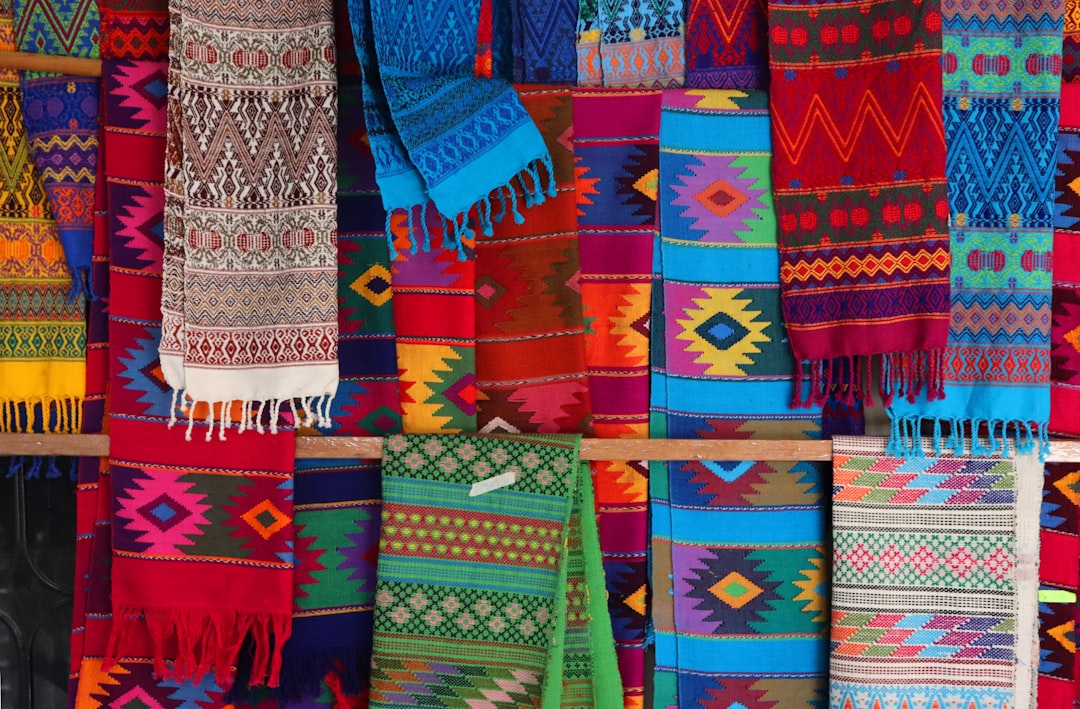
Oaxaca has one of Mexico’s most distinctive regional cuisines — built on seven distinct moles, a tlayuda tradition that sets it apart from every other Mexican city, and an artisanal mezcal culture that has gone from village craft to global export without losing its roots. The city’s two main markets are among the best places in the country to eat, and the surrounding valley supplies an extraordinary range of ingredients: black beans, chocolate, dried chiles, Oaxacan cheese, and wild herbs that appear nowhere else.
Top Food Experiences at a Glance
| Tour | Duration | Price (from) | Group Size | Highlights |
|---|---|---|---|---|
| Oaxaca Food & Mezcal Tour | 3 hrs | from $45 | Up to 12 | Tlayudas, chapulines, mezcal stops, Benito Juárez market |
| Cooking Class: Oaxacan Mole | 4 hrs | from $75 | Up to 8 | Market visit, mole negro, black beans, tortilla pressing |
| Oaxaca Mezcal Distillery Tour | 4 hrs | from $65 | Small group | Artisan palenques, agave types, hands-on tasting |
| Oaxaca Street Food & Chocolate Walk | 2.5 hrs | from $40 | Up to 12 | Tejate, chocolate caliente, tlayudas, local guide |
Browse all Oaxaca City food experiences → GetYourGuide
The essential dishes
Tlayuda
The signature Oaxacan dish: a large tortilla (30–40 cm diameter) made from dried maize and toasted on a comal until it is rigid and lightly charred. It is spread with asiento (unrefined pork fat) and frijoles negros (black bean paste), then layered with quesillo (Oaxacan string cheese), cabbage, and your choice of meat — tasajo (dried beef), chorizo negro, or cecina (salt-cured pork).
A tlayuda at a market stall costs MXN 80–120 (as of 2026). At a sit-down restaurant, expect MXN 120–160. The correct way to eat a tlayuda is folded in half; it is too large to eat flat. Order one per person — they are filling.
Best places for tlayudas:
- Mercado 20 de Noviembre — the dedicated tlayuda section on the upper level, where charcoal grills run from 13:00 onward. Half a dozen stalls compete for your custom; all are good. Choose the one with the most local customers.
- El Biche Pobre (Calzada Porfirio Díaz) — a sit-down restaurant popular with Oaxacan families, good for a more composed version.
Mole negro
Oaxaca is famous for seven moles; mole negro is the most complex. It is built from dried mulato, ancho, and pasilla chiles, charred tortilla, toasted pumpkin seeds, plantain, and a small amount of dark chocolate — not sweet, but to add depth and body. The preparation takes hours and involves toasting, soaking, grinding, and slow simmering in individual steps.
Mole negro is served over turkey (guajolote) or chicken with rice and fresh tortillas. At a market comedor it costs MXN 100–150; at a restaurant, MXN 180–280 depending on protein.
Try it at:
- Comedor Lupita at Mercado 20 de Noviembre — no-frills, honest mole negro with turkey at lunch.
- Casa Oaxaca El Restaurante (Constitución 104a) — refined version using local guajolote, higher price (MXN 280+), but the quality of the mole base is exceptional.
- Los Danzantes (Alcalá 403) — reliable mid-range option on the main pedestrian street.
Other moles and sauces
- Mole amarillo — a yellow-orange mole made with guajillo and costeño chiles, lighter and tangier than negro, often served with beef or pork and chayote
- Mole coloradito — dark red, sweeter, made with ancho chile and chocolate, typically over chicken
- Mole rojo — the everyday red mole, simpler than negro, used in tamales and enchiladas
- Mole verde — fresh tomatillo and herb base, bright and acidic, pairs well with fish or vegetables
- Manchamanteles and chichilo complete the seven, the latter being rarer and worth seeking out at traditional restaurants during festive seasons
Tasajo, chorizo negro, and cecina
These three cured meats are the backbone of Oaxacan protein:
- Tasajo — beef marinated in a spice paste, partially dried in the sun, then grilled on charcoal. Chewy, smoky, and intensely beefy.
- Chorizo negro — a dark, loose-textured pork sausage coloured with dried chile. Distinct from Spanish chorizo; crumblier and spicier.
- Cecina — thin sheets of salt-cured pork, also dried and grilled. Milder than tasajo.
All three are sold as individual plates (MXN 80–130) at the meat stalls inside Mercado 20 de Noviembre, typically served with tortillas, black beans, and salsa.
Quesillo (Oaxacan string cheese)
Quesillo is a stretched, wound cheese with a mild, milky flavour and a satisfying pull. It is used as a topping on tlayudas, stuffed into quesadillas, and sold fresh in large rounds throughout the market. Vendors let you try a strand before buying. The best quesillo is made in Reyes Etla, 30 km north of the city — you will find Etla-origin cheese labelled as such in the market.
Memelas and enfrijoladas
- Memelas — oval masa cakes cooked on a comal, topped with black beans and salsa. A common breakfast option at market stalls for MXN 25–40.
- Enfrijoladas — corn tortillas bathed in a black bean sauce, topped with crumbled cheese, onion, and cream. The Oaxacan equivalent of enchiladas. MXN 60–90 at a comedor.
Chapulines
Toasted grasshoppers seasoned with chile, lime, and salt. They are crunchy, tangy, and more nuanced than they sound. Found in small clay bowls at every market and mezcal bar. Eat them as a snack (MXN 20–50 for a portion), use them as a tlayuda topping, or stir them into guacamole.
Mercado 20 de Noviembre
Mercado 20 de Noviembre is the food market — as distinct from the produce and crafts market (Mercado Benito Juárez) that sits directly across the street. Entering from the Calle 20 de Noviembre side, you pass rows of dried chiles, mole paste vendors, and chocolate grinders before reaching the main cooking area.
What to do here:
- Pasillo de Humo (Smoke Alley) — at the back of the market, a row of charcoal stalls where vendors grill meats to order. Point at the tasajo, chorizo negro, or cecina you want; they will grill and serve it with accompaniments. This is one of the best-value meals in Mexico at MXN 80–130 per plate.
- Comedor section — individual cocineras (female cooks) run small stands with daily menus. Arrive between 12:00 and 14:00 for the full range. A three-course set lunch (soup, main mole dish, agua fresca, tortillas) costs MXN 80–120.
- Chocolate grinders — buy a block of artisanal chocolate (cocoa, sugar, cinnamon, almond) and watch it ground to your specification. MXN 40–60 per 100 g. The chocolate is for drinking (champurrado, atole), not eating raw.
- Mole paste stalls — vendors sell freshly ground mole paste by weight. A 200 g portion of mole negro paste (enough for 4 servings) costs approximately MXN 60–80.
Hours: 07:00–20:00 daily. The cooking stalls are most active from 12:00 to 16:00.
Mezcal
Oaxaca produces the majority of Mexico’s artisanal mezcal. Unlike industrial tequila, traditional Oaxacan mezcal is made in small batches using hand-harvested agave (espadín, tobalá, cuishe, and dozens of other varieties), roasted in earthen pits, and distilled in clay or copper pot stills.
Where to drink mezcal in the city:
- In Situ Mezcalería (Morelos 511) — a curated bar with over 300 small-batch mezcals listed by agave variety and producer village. Flights from MXN 150. The staff are knowledgeable and pour conservatively — correct for a spirit this varied.
- El Destilado (Independencia 700) — a restaurant and mezcal bar combining Oaxacan ingredients with contemporary technique. Food is excellent; the mezcal list is serious.
- La Mezcaloteca (Reforma 506) — appointment-preferred, focused on education. Guides take you through comparative tastings by agave type.
A standard pour at a mezcalería runs MXN 80–150 depending on the agave variety. Tobalá and other wild agave mezcals are significantly pricier (MXN 200+) due to the slow growth and scarcity of the plant.
Chocolate and sweets
Chocolate Mayordomo (multiple locations, including Mina 212) — the city’s most established chocolate brand since 1956. Watch the grinding machines running in the window, then buy chocolate en tableta (for drinks) or chocolate bars at approximately MXN 50–80 for 200 g.
Nieves de garrafa — ice cream churned in wooden barrels packed with ice and salt, a street tradition. Flavours unique to Oaxaca: mezcal, rose petal, tuna (cactus fruit), and burnt milk. MXN 20–30 per scoop. The best stands cluster near the Zócalo in the evening.
Tejate — a pre-Hispanic cold drink made from maize, cacao, and the seeds of the mamey sapote fruit. You will find it at market stalls and in a few traditional restaurants. Unlike hot chocolate, tejate is served cold and has a thick, frothy consistency. MXN 25–40 per cup.
Take a Guided Food Tour of Oaxaca City
Oaxaca’s markets are best navigated with someone who knows which cocinera is serving that day’s best mole negro, where to find tobalá mezcal from a specific village palenque, and how the Pasillo de Humo at Mercado 20 de Noviembre actually works. A half-day food and mezcal tour typically moves through three to four stops - a market breakfast of tlayuda and tasajo, a mezcalería tasting, a chocolate grinder visit - and leaves you confident enough to return to each independently. Mole cooking classes run 4–5 hours and include a morning market walk for ingredients; they are among the most worthwhile food experiences in Mexico. Browse food tours and cooking experiences in Oaxaca.
Practical notes
-
Cash is preferred at market stalls and comedores; most do not accept cards. ATMs are available on the streets around the Zócalo.
-
Market eating peaks between 12:00 and 15:00. Arrive early for the widest selection.
-
Stomach adjustments are normal for a few days in a new culinary environment. Eat cooked food first; add raw salsas and fresh market produce gradually.
-
Oaxaca has a strong vegetarian tradition — black bean dishes, quesillo, enfrijoladas, tlayudas without meat, and egg-based breakfast plates are plentiful. Vegan options exist but require more searching; the most reliable source is dedicated vegan restaurants near Santo Domingo.
Plan your trip: food tours and cooking classes in Oaxaca · travel insurance for Mexico · Mexico eSIM.