Five historical sites define Mexico City: Templo Mayor, the Palacio Nacional, Tlatelolco, Chapultepec Castle and the canals of Xochimilco. Together they trace the Aztec capital, the Spanish colony and the modern republic in about two days.
Mexico City is built on top of Tenochtitlan, the Aztec capital founded in 1325, and layers of its past are visible within a few kilometres. The sites below are the ones we recommend for a first visit, in rough chronological order. Costs are approximate, as of 2026. For the bigger picture, see our history of Mexico and the Mexico City guide.
1. Templo Mayor: the heart of the Aztec capital
Templo Mayor was the main temple of Tenochtitlan, and its ruins sit directly beside the Zócalo. Excavations still continue, and new structures keep emerging. The site museum holds a scale model of the original city, sacrificial offerings, jade masks and the large circular stone of the dismembered goddess Coyolxauhqui.
Practical: Open Tuesday to Sunday, approximately 9:00 to 17:00. Entry is around MXN 100 as of 2026. Allow two hours.
Local tip: Go at opening. Tour groups arrive from mid-morning, and the stone and model rooms are easier to see before then.
Pair it with the Mexico City food tour in the old town for a historic centre half day.
2. Palacio Nacional: Rivera’s history of Mexico
The Palacio Nacional stands on the east side of the Zócalo and houses Diego Rivera’s mural cycle covering Mexican history from the Aztecs through the Revolution. Entry is free. The murals alone take 30 to 45 minutes to study.
Why it matters: The palace sits on the site of Moctezuma’s palace and later served as the seat of the Spanish viceroys, then of the republic’s government, so the building itself spans the three eras.
Local tip: Bring photo ID such as a passport, and check opening days before going, since official events can close the building. The Metropolitan Cathedral on the same square is also free, and it is worth ten minutes to see its visible tilt.
3. Tlatelolco: three eras in one view
Tlatelolco was a separate Aztec city that became a rival market centre to Tenochtitlan. The Plaza de las Tres Culturas shows pre-Columbian pyramid bases, a colonial church built from pyramid stones and 1960s social housing in a single view. It was also the site of the 1968 student massacre, which gives the plaza a heavy modern meaning.
Practical: Free entry. Take Metro Tlatelolco (Line 3). Allow 60 to 90 minutes.
Local tip: Read the memorial plaques in the plaza before you walk the ruins. They tie the three layers together better than any single sign.
4. Chapultepec Castle: the viceroys’ hill and the Maximilian years
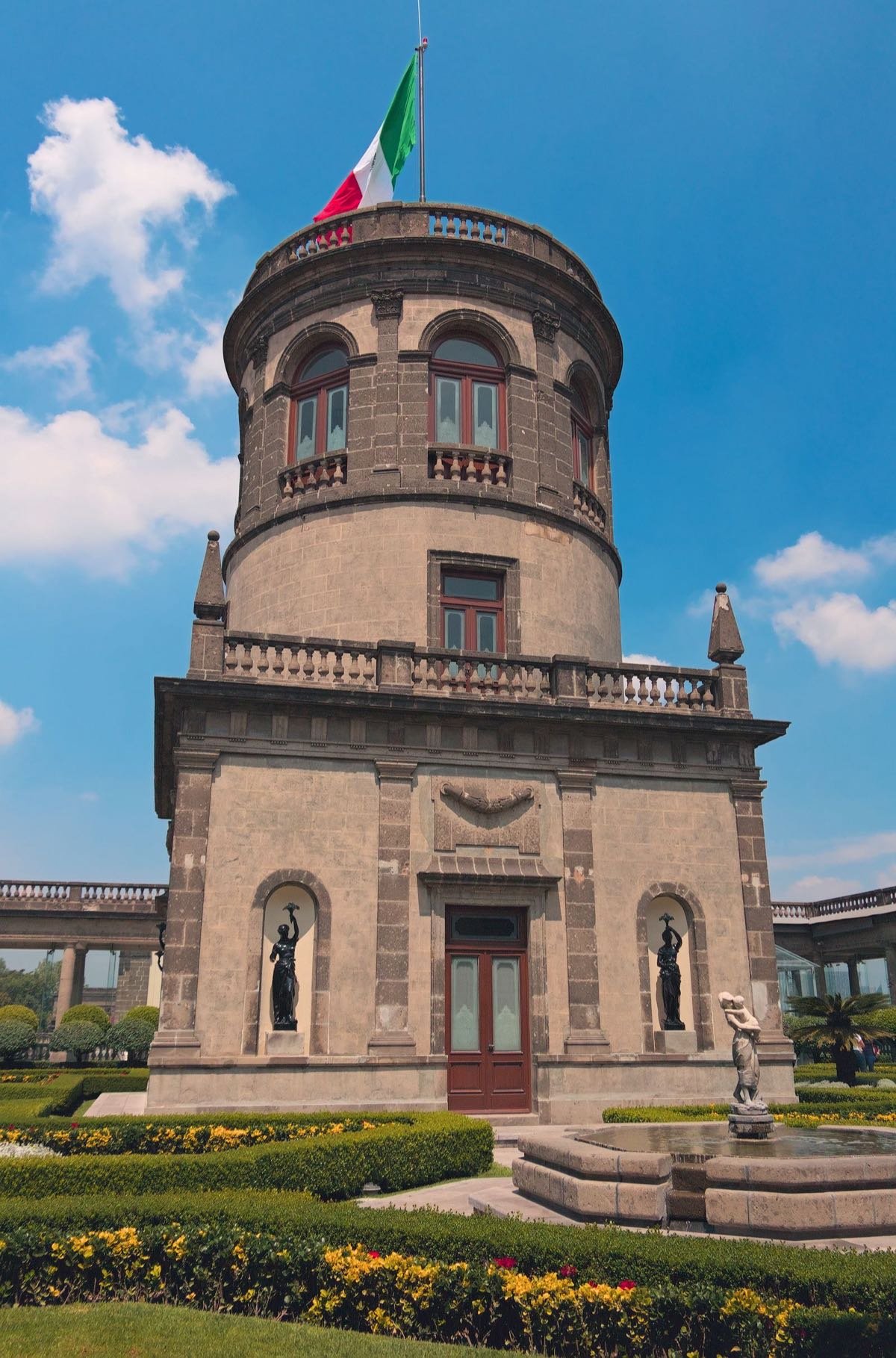
Chapultepec Castle crowns the hill at the centre of the city’s largest park. It is the only royal castle in continental North America, and was used by Emperor Maximilian I in the 1860s. Today it houses the National Museum of History, and the terrace gives views across the city.
Practical: Open Tuesday to Sunday, approximately 9:00 to 17:00. Entry is around MXN 100 as of 2026. Take Metro Chapultepec (Line 1), then walk up the hill. Allow two hours, or combine with the nearby Museo Nacional de Antropología, which holds the Aztec Sun Stone.
Local tip: Visit on a weekday morning for the shortest queue and the best light on the terrace. Our Polanco guide covers cafes and restaurants on the park’s edge.
5. Xochimilco: the surviving lake system
Xochimilco is the last working remnant of the lake-and-canal system that once covered the Valley of Mexico. The chinampas, artificial farm plots where flowers and vegetables are still grown, are part of a UNESCO World Heritage listing shared with the Historic Centre of Mexico City. The painted trajinera boats are the best way to see them.
Practical: Take the Metro to Tasqueña (Line 2), then the Tren Ligero to Xochimilco. Boats are priced per boat, about MXN 750 per hour at main piers as of 2026, for up to roughly 18 to 20 people. Our Xochimilco boat tour guide covers piers and prices in detail.
Local tip: Agree the price and duration before boarding, and choose the quieter Cuemanco pier if you prefer space to atmosphere.
Beyond the city: Teotihuacan
For a site older than the Aztecs, take a half-day to full-day trip to Teotihuacán, about 50 km northeast, with its Pyramid of the Sun, Pyramid of the Moon and Avenue of the Dead. We also have a list of day trips from Mexico City if you want more.
Before you go: altitude, timing and tickets
Mexico City sits at about 2,240 m above sea level, so walking between sites tires newcomers faster than expected. Drink water, use sunscreen and plan the heaviest walking in the morning. Most INAH museums and archaeological sites close on Mondays, so build your route around Tuesday to Sunday. Free Sunday entry at INAH sites is generally limited to Mexican citizens and residents, so foreign visitors should budget for tickets. Buy tickets at the gate with cash in pesos where you can, and keep small notes for the Metro and for tips. For deeper context on all five sites, our history of Mexico guide explains the Aztec, colonial and republican periods in order.
How to plan two days
Day one: Templo Mayor at opening, Palacio Nacional murals, the cathedral and a market lunch. In the afternoon, Tlatelolco. Day two: Chapultepec Castle and the Museo Nacional de Antropología in the morning, Xochimilco in the afternoon. For a place to sleep close to these sights, see our Mexico City hotels, and for a guide who explains what you are looking at, browse Mexico City tours.