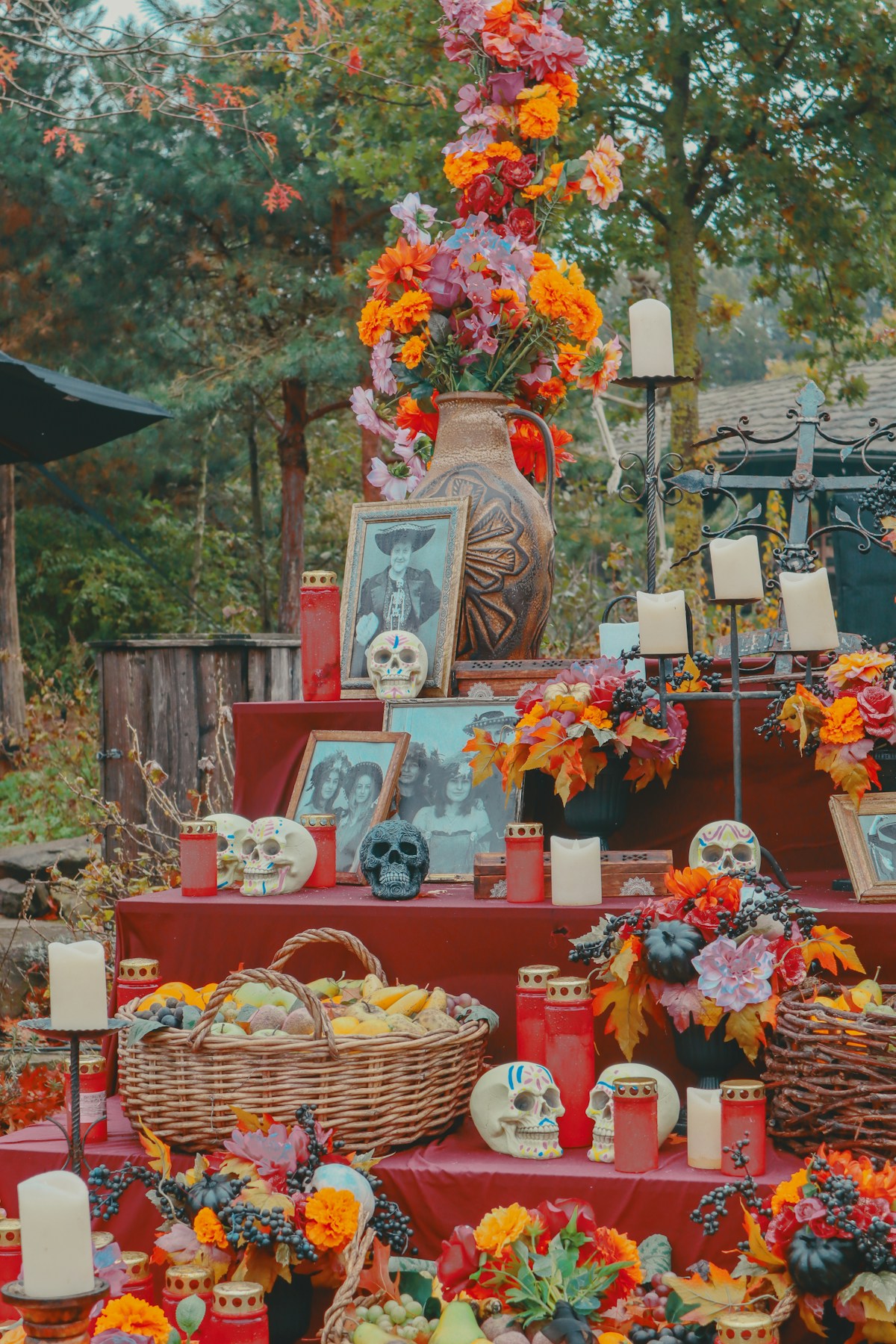
Día de los Muertos - Day of the Dead - is Mexico’s most internationally recognised cultural celebration, and also one of the most widely misunderstood. It is not a morbid occasion but a joyful, deeply personal one: a time when families believe the spirits of their deceased relatives return to visit, and when the living prepare elaborate offerings, meals, and celebrations in their honour.
UNESCO added the indigenous festivity to its Intangible Cultural Heritage of Humanity list in 2008, recognising what Mexicans have long known: this is a living tradition of singular depth, quite different from Hollywood imagery or Halloween aesthetics.
For visitors, experiencing Día de los Muertos thoughtfully is one of the most profound travel experiences Mexico offers. The key is choosing where to go, understanding what you’re witnessing, and approaching the celebration with the respect it deserves.
Dates and Structure
The full celebration spans several days in most communities:
- October 31 (Noche de Muertos): In some regions, a preparatory night when altars are finalised and spirits of those who died accidentally or violently are welcomed.
- November 1 (Día de Todos Santos / All Saints’ Day): The day dedicated to spirits of deceased children (angelitos). Cemetery visits, small altars, white flowers and candles.
- November 2 (Día de los Muertos proper): The main event - spirits of deceased adults return. Cemetery vigils, marigold carpets, music, food offerings, and communal gathering that runs through the night.
- November 3: Some communities continue with farewell ceremonies.
Oaxaca
Oaxaca is Mexico’s most celebrated destination for Día de los Muertos, and for good reason: the city and surrounding indigenous villages combine public street festivals, elaborate ofrendas, cemetery vigils, and Oaxacan culinary tradition into a multi-day immersion.
In the city: The historic centre fills with giant sand tapestry murals (tapetes de arena), themed parades (comparsas) on October 31 and November 1, and public altars in the zócalo. The Museo de Arte Prehispánico Rufino Tamayo and the Santo Domingo cultural complex often host special installations. Markets like Mercado Benito Juárez and Mercado 20 de Noviembre fill with marigolds, skull sugar decorations, bread of the dead (pan de muerto), and traditional mole ingredients.
Cemetery vigils: The village cemetery at Xoxocotlán (San Martín Mexicapam section), approximately 6 km from Oaxaca city, is the most-visited cemetery vigil site near the city. Families gather from approximately 22:00 on November 1 through the early hours of November 2, decorating graves with marigold carpets, candles, and photographs. Entry is free; tours from Oaxaca city typically run approximately MXN $300–600 per person including transport. Another well-regarded vigil is at the Tlacolula cemetery on November 2, reached via a 45-minute drive.
Practical note: Hotel availability in Oaxaca for October 31–November 2 becomes extremely scarce by July. Book the moment you decide to go. Hotel Camino Real Oaxaca (converted 16th-century convent, from approximately USD $180/night), Casa Oaxaca (boutique hotel near the zócalo, from approximately USD $200/night), and Hotel Los Pilares (smaller and more affordable, approximately USD $80–120/night) are all well-positioned.
Pátzcuaro, Michoacán
Pátzcuaro offers the most intimate and traditionally Purépecha experience of Día de los Muertos. The town sits on the shores of Lake Pátzcuaro at 2,200 m elevation in Michoacán, and the night of November 1–2 centres on the island of Janitzio - reached by a 30-minute boat trip from Pátzcuaro’s waterfront.
At Janitzio, families begin arriving at the cemetery in the late evening of November 1, spreading marigold petals in elaborate carpet patterns over the graves of relatives, surrounding each with dozens of candles. Through the night, women in traditional Purépecha dress maintain vigils as music and copal incense fill the air. At dawn, the candles are still burning.
The experience is genuinely moving but has become more tourist-attended in recent years. Weekday visits (when November 1 falls on a weekday) are substantially quieter. Tours from Morelia (approximately 55 km, 1 hour) and Mexico City run on the night of November 1 - from Mexico City typically MXN $1,200–2,000 per person including transport as of 2026.
Practical note: Book accommodation in Pátzcuaro or Morelia months ahead. Hotel Mansión Iturbe (colonial-era property on the main plaza, from approximately USD $100/night) is the standout choice in Pátzcuaro. Arriving a day early lets you explore the town’s Day of the Dead craft markets, where Purépecha artisans sell lacquerware, textiles, and skull ceramics.
Mixquic
Mixquic is a village of approximately 12,000 people within Mexico City’s southern borough of Tláhuac, and its Día de los Muertos observance is the largest within the metropolitan area. The night of November 2 draws tens of thousands of visitors to the village cemetery, where families maintain all-night vigils over candlelit, marigold-decorated graves.
Getting there from Mexico City: Colectivos run from the Constitución de 1917 metro station (Line 8) to Mixquic during the festival, or taxis from central Mexico City take approximately 1–1.5 hours depending on traffic (approximately MXN $200–350 as of 2026). Many tour operators run evening bus services from Mexico City on November 2 (approximately MXN $300–500 including guide and transport).
The Mixquic cemetery vigil is different in character from Pátzcuaro or Oaxaca - it’s a Mexico City event on a large scale, more accessible and logistically simpler but less remote in feeling. It remains genuinely touching and well worth attending for visitors based in the capital.
What to Expect as a Visitor
Ofrendas: You will encounter ofrendas in hotel lobbies, restaurants, markets, homes, and public spaces throughout Mexico in late October and early November. The standard multi-tiered structure holds photographs, marigolds, copal, and the deceased’s favourite items - a beer for grandfather, a favourite child’s toy. Many restaurants and cultural institutions construct particularly elaborate installations. They are not decorations for tourists; they are for the spirits.
Marigolds (cempasúchil): The orange marigold is the flower of the dead in Mexico - its vivid colour and strong scent are believed to guide spirits home. You’ll see them everywhere from late October, sold in vast bunches at markets from approximately MXN $20–50 per bunch.
Pan de muerto: Bread of the dead is a sweet, anise-scented bread decorated with bone-shaped dough strips and sugar. Every bakery produces them from mid-October; major brands like El Globo and Sanborns sell them nationwide, but the best come from Oaxacan or Michoacán panaderías (bakeries).
Behaviour in cemeteries: Families are grieving and celebrating simultaneously. If you photograph or film, use judgment - no flash on candle-lit vigils, no intrusive positioning. Many families will welcome you with warmth; some will prefer privacy. Read the situation and ask when uncertain. Bringing your own marigolds to lay at the entrance is always well-received.
Skull face paint: The black-and-white skull face paint that has become internationally associated with Día de los Muertos is partly a modern embellishment and partly drawn from traditional imagery - both coexist at the celebrations. If you paint your face as a visitor, the key is showing genuine engagement with the spirit of the occasion rather than performative costume.
Where to Celebrate if You Can’t Travel to Oaxaca
Every major Mexican city has its own Day of the Dead observance. Mexico City’s Zócalo hosts an enormous public ofrenda. Guanajuato, San Miguel de Allende (where the festival is very tourist-friendly), and Guadalajara all have well-developed celebrations. San Andrés Mixquic (covered above) remains the best choice for visitors in Mexico City who can’t travel.
For the deepest experience, prioritise Oaxaca or Pátzcuaro. For accessibility and scale, Mixquic or Mexico City. Any of these delivers something that no Halloween event or film can replicate.
Plan your trip: tours in Oaxaca · flights to Mexico.
Related City Guides
Ready to Plan Your Trip?
See our itineraries for inspiration:
- 1 Week Mexico - one week covering Mexico City, Oaxaca and the beach
- 10 Days Mexico - ten days from the capital to the Caribbean
- 2 Weeks Mexico - the two-week Mexico circuit
- Budget Mexico Itinerary - a full Mexico trip on a budget