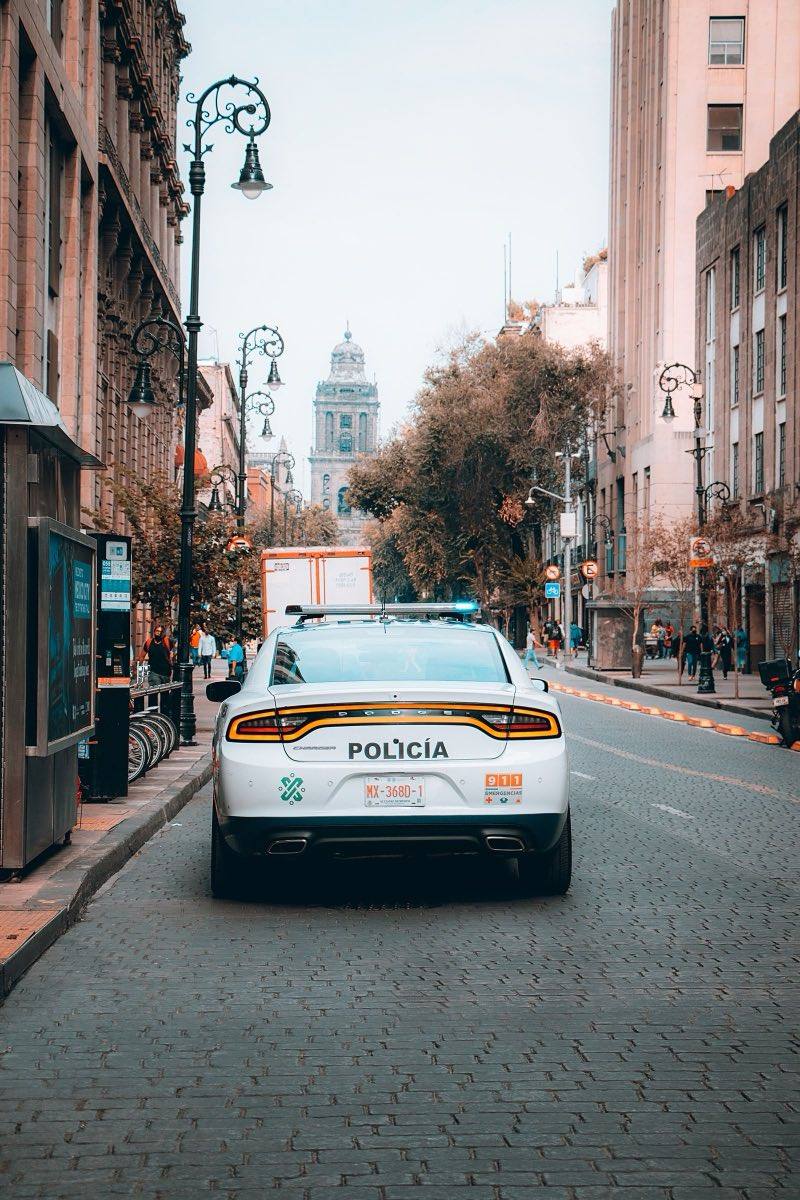
Mexico has one national emergency number, 911, and it is the first thing to save in your phone before you land. Beyond that, a handful of other lines are worth knowing: the tourist assistance line, the highway help service, the anonymous crime report line, and your own embassy. This page puts them in one place, with practical advice on how emergency response actually works on the ground. Numbers and procedures are current as of 2026, but check official sources before relying on any single line, as services change.
The essential numbers at a glance
| Need | Number | Notes |
|---|---|---|
| Police, ambulance, fire, civil protection | 911 | Free from any mobile, works without credit. Single national line |
| Tourist assistance (SECTUR) | 078 | Federal tourism line, also the Ángeles Verdes highway help number |
| Anonymous crime reporting | 089 | Anonymous tip line; reportedly now focused on extortion reports |
| Red Cross ambulance | 065 | Some areas redirect to 911; a donation is customary |
| Mexico City Locatel | 55 5658 1111 | 24-hour city government line: missing persons, psychological support, tourist help |
| US Embassy Mexico City | 55 2579 2000 | From abroad +52 55 2579 2000. US citizens can also use +1 202 501 4444 or +1 888 407 4747 |
| Canada emergency (outside Mexico City) | 800 706 2900 | Toll-free consular line, 24/7 |
Write these on a card or save them as contacts. If your phone has no signal at all, 911 can often still connect through another carrier’s network.
911: how it works in practice
911 replaced the old patchwork of local numbers (066 and many city lines) as the single national emergency line (rolled out nationally in the mid-2010s). You describe what is happening and where, and the operator dispatches police, an ambulance or the fire service. Expect the call to be answered in Spanish. A few short phrases help:
- “Necesito ayuda” - I need help
- “Una ambulancia, por favor” - an ambulance, please
- “Hay un incendio” - there is a fire
- “Me robaron” - I have been robbed
Be ready with a street name, a nearby landmark, or your hotel name. In resort areas the hotel front desk can call on your behalf and often gets a faster response, so ask them first if you are able to. Response times vary widely: fast in central Mexico City, Cancún and Los Cabos, slower in rural areas and on long highway stretches. If you are in a serious medical situation and a taxi or ride-hailing car can reach a hospital faster than waiting, many locals do exactly that.
Tourist police and tourist help
Tourist police (policía turística) operate in Cancún, Playa del Carmen, Mexico City, Oaxaca and other high-traffic destinations. They are in distinctive uniforms, often on bicycles or at fixed points near the main attractions, and are trained to help visitors with directions, lost items and reporting incidents. They are the easiest first stop if you are in a tourist zone and not in immediate danger.
The 078 line is the federal tourism ministry’s assistance service. It also handles the Ángeles Verdes (Green Angels), the government-funded roadside patrol that helps motorists with breakdowns, flat tyres, fuel and first aid on federal highways. If you are driving, our car rental guide explains the practicalities, and 078 should be saved before you pick up the keys.
Reporting a crime and getting a police report
If you are robbed or your documents are stolen, you will need a formal report called a denuncia, filed with the Ministerio Público (public prosecutor’s office). In tourist areas there are often offices with English-speaking help. Expect the process to take one to three hours and bring your passport. You need the report for travel insurance claims and for replacing a passport. Do not hand over cash to anyone offering to speed things up; the filing itself is free.
For wider context on where problems arise and how to avoid them, read our honest Mexico safety guide.
Embassy and consulate guidance
Your embassy cannot pay bills, post bail or act as a lawyer, but it can issue emergency passports, help you contact family, provide lists of local lawyers and doctors, and assist in serious incidents such as arrest, hospitalisation or a death.
- United States: the embassy is in Mexico City (main line 55 2579 2000), with consulates in several cities including Guadalajara and Monterrey and a consular agency in Cancún. Enrol in the STEP programme before travel.
- Canada: the embassy is in Mexico City (55 5724 7900 in office hours), with a consular agency in Cancún. Outside Mexico City, use the toll-free 800 706 2900 line. Canadians can also reach the Emergency Operations Centre in Ottawa.
- United Kingdom and others: the UK, Australian and most European embassies are in Mexico City. Find the current emergency consular line on your own government’s travel advice page rather than relying on a printed number, and save it offline.
Embassy buildings and office hours have moved in recent years, so confirm the location on the official site before travelling to one.
Hospital and medical advice
Mexico has excellent private hospitals in Mexico City, Guadalajara, Monterrey, Mérida, Cancún, Playa del Carmen and Los Cabos, many with English-speaking staff and international insurance desks. Public hospitals and the Cruz Roja exist everywhere but are often crowded, and English is less common. In a life-threatening situation go to the nearest facility; for anything else, choose a private hospital and call your insurer first.
Practical points:
- Private hospitals commonly ask for a card deposit or payment upfront, then you claim back from your insurer. Keep every receipt and the medical report
- Pharmacies (farmacias) are everywhere, and pharmacists can advise on minor illness such as traveller’s stomach. Many have a doctor’s consultorio next door for a low fee
- At altitude in Mexico City, Oaxaca or San Cristóbal, headaches and breathlessness in the first days are normal, but chest pain or severe symptoms are not: seek care
- In coastal areas, heat stroke and dehydration are common and avoidable, and during the hurricane season, local civil protection (Protección Civil) issues alerts.
Our health in Mexico guide covers vaccinations, water and food safety in more detail.
Travel insurance: the safety net behind the numbers
Insurance is what turns a frightening incident into a manageable one. A good policy covers emergency treatment, evacuation to a better-equipped hospital, theft and trip disruption, and gives you a 24-hour assistance line that can arrange direct billing with private hospitals. Before you go:
- Save the insurer’s 24-hour assistance number and your policy number offline
- Check that cover includes any activities you plan (scuba diving, ATV, motorbike hire)
- Photograph your passport, entry stamp or FMM record and policy documents and store copies in the cloud
Compare options in our Mexico travel insurance guide, or get a quote directly via Mexico travel insurance.
Before you travel: a quick checklist
- Save 911, 078 and your embassy number as contacts, with the country code format
- Keep a card with your hotel name and address in Spanish
- Install an offline map, and make sure your phone works
- Share your itinerary with someone at home and keep a paper copy of your passport details
Emergencies in Mexico are rare for most visitors, and the tourist infrastructure is well used to foreign travellers. Knowing who to call, and in what order, simply makes the rare bad day much shorter.