Chapultepec Castle and the National Museum of Anthropology sit about 1.5 km apart inside Mexico City’s Bosque de Chapultepec, and they pair naturally into one day. The castle covers Mexico’s colonial, imperial and republican history, and the museum covers the civilisations that came before. We recommend this order: castle first while the hill is quiet, then lunch, then the museum. Entry is MXN 210 for visitors from abroad at each site, as of 2026, and both are closed on Mondays.
Tickets, hours and Sunday entry
| Chapultepec Castle (Museo Nacional de Historia) | Museo Nacional de Antropología | |
|---|---|---|
| General admission (foreign visitors) | MXN 210 | MXN 210 |
| Mexican nationals and residents with ID | about MXN 105 | about MXN 105 |
| Open | Tuesday to Sunday, 9:00 to 17:00 | Tuesday to Sunday, roughly 9:00 to 18:00 (check) |
| Closed | Mondays | Mondays |
| Time to allow | 2 hours | 3 to 4 hours |
Both fees rose on 1 January 2026, up from about MXN 100 in 2025, so older guides and blog posts understate the price. We have used the official Museo Nacional de Historia general information page for the castle. For the museum, INAH’s place listing and press reports give slightly different opening hours, so check the day before you go. All prices are approximate and as of 2026.
Sunday free entry is for residents only. Mexican nationals and foreign residents with valid ID enter free on Sundays. Visitors from abroad pay full price, and Sunday is when local families fill both buildings, so we avoid it. A Tuesday to Friday morning is the quietest.
You can buy tickets at the door, but queues build at the Anthropology Museum by late morning. Reseller tickets are an option if you want a fixed time: browse Mexico City attraction tickets on Tiqets, where prices can differ from the MXN 210 box-office fee.
Chapultepec Castle
The castle crowns Chapultepec Hill, a site the Mexica held sacred long before the Spanish arrived. The current building began in 1785 as a viceregal residence, became the Colegio Militar in the 1840s, and is remembered as the place where cadets known as the Niños Héroes died in the 1847 US assault on Mexico City. Emperor Maximilian and Empress Carlota lived here from 1864 to 1867 and reshaped it into the imperial residence you see today. Presidents lived in it until 1939, and it has housed the National Museum of History since 1944.
What to see inside:
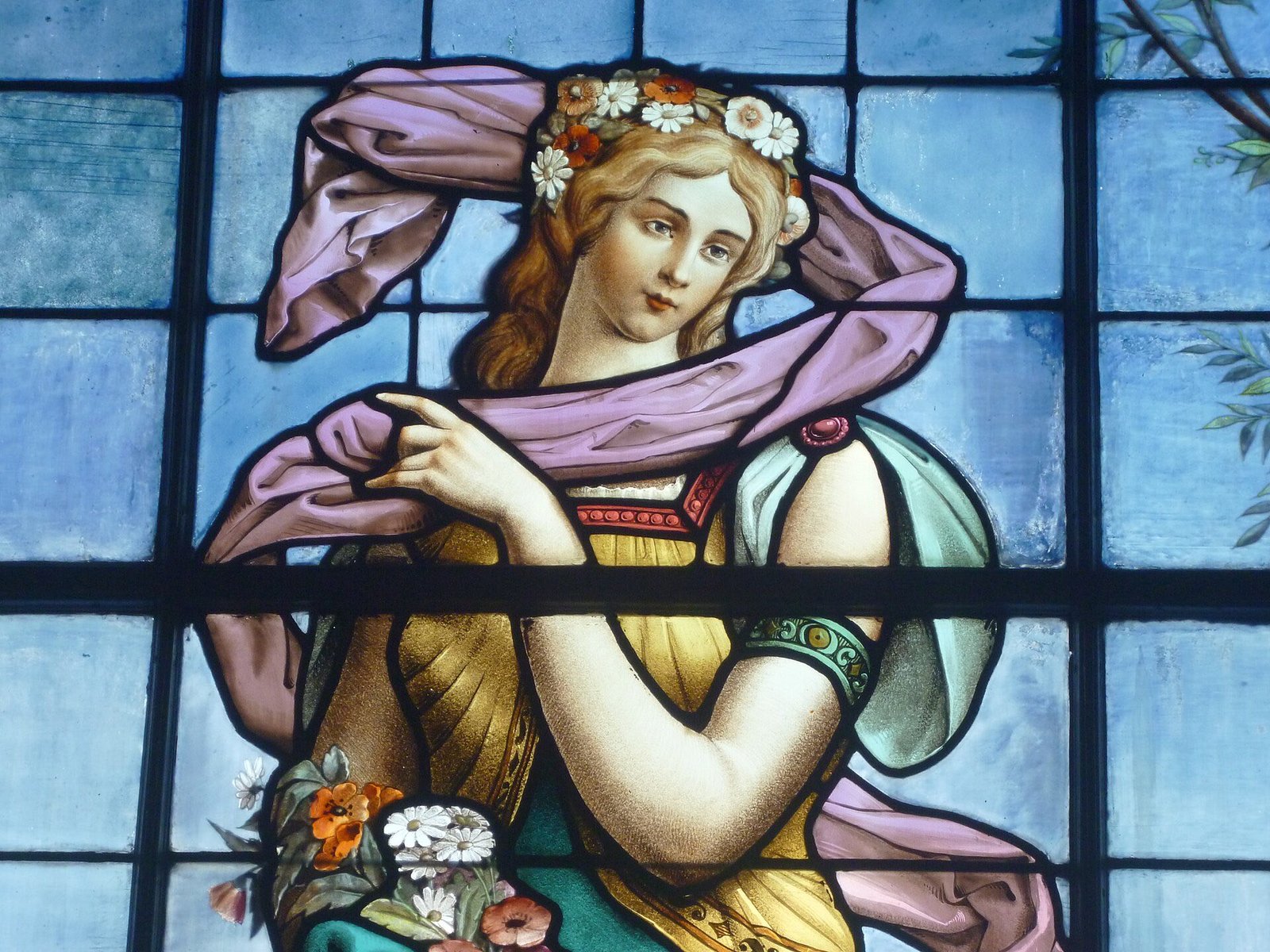
- The Alcázar rooms, Maximilian and Carlota’s apartments, with period furniture, tiled floors and the stained-glass windows.
- Murals by Juan O’Gorman, David Alfaro Siqueiros and others on the museum’s modern history galleries.
- The terraces, with views over Paseo de la Reforma and the skyline, best in clear morning light.
- Carlota’s garden and the Patio of the Chapulín, the quiet courtyards at the top.
Take Metro Chapultepec (Line 1), walk through the park gate and climb the hill, about 15 to 20 minutes on foot. Wear flat shoes, as the ramps are steep. Photography without flash is generally allowed, but check at the entrance.
National Museum of Anthropology
Opened in 1964 and designed by Pedro Ramírez Vázquez, the museum is built around a huge courtyard with a single concrete “umbrella” and fountain. It is among the most visited museums in Latin America, and its 23 halls are arranged around that courtyard, with ground-floor archaeology and upper-floor ethnography.
If time is short, prioritise these ground-floor halls:
- Mexica (Aztec) Hall, home to the Piedra del Sol (Sun Stone) and the Coyolxauhqui stone.
- Teotihuacan Hall, with a full-scale replica of the Temple of Quetzalcoatl facade.
- Maya Hall, with the reconstructed tomb replica of King Pakal from Palenque.
- Gulf of Mexico Hall, where the Olmec colossal heads stand.
- Oaxaca Hall, with Zapotec and Mixtec gold and jade from Monte Alban.
Three hours covers those five rooms at a comfortable pace. If you plan to visit Teotihuacan or Monte Alban afterwards, doing the museum first gives your trip useful context, and our Mexico City things to do guide shows how it fits with the rest of the city.
The route between the two
- Arrive at the castle at 9:00. Take Metro Chapultepec (Line 1), walk up the hill, and spend about two hours inside and on the terraces.
- Walk down and across the park toward Paseo de la Reforma, about 1.5 km, 20 to 25 minutes. You pass lakes, vendors and shaded avenues.
- Eat near the museum. The park has snack stands, and Polanco on the northern edge has proper restaurants within a short taxi or a 15 minute walk.
- Enter the museum around 13:00 or 14:00, and give it three to four hours. Start with the Mexica Hall, since it draws the biggest crowds later in the day.
Alternatively, reverse the order if you want the museum in the freshest part of the day. Metro Auditorio (Line 7) is the closest station to the museum.
Guided tour option
Both sites reward a guide. A guided Anthropology Museum visit typically runs two to three hours and focuses on the Sun Stone, Teotihuacan and Maya halls. Combined castle and museum tours are widely sold, usually priced from about USD 35 per person as of 2026, and some include entry and a guide. Browse Mexico City tours for current options, or see our roundup of the best tours in Mexico City. If you prefer to go independently, the museum’s audio guides and the castle’s wall texts are enough, mostly in Spanish and English.
Planning around the rest of your trip
- Fitting it into a short stay: our 3 days in Mexico City itinerary puts the castle on day one and the museum as an optional extra. If you only have one day, do both, as above.
- Other free options in the park: the grounds cost nothing, and our free things to do in Mexico City covers Chapultepec Park and other no-cost stops.
- More history in the city: the historical sites of Mexico City guide adds Templo Mayor and Tlatelolco.
- Where to sleep: Polanco and Roma put you close to the park. See where to stay in Mexico City for neighbourhood options.
Photo: Castillo d Chapultepec 44, Wikimedia Commons, CC0.