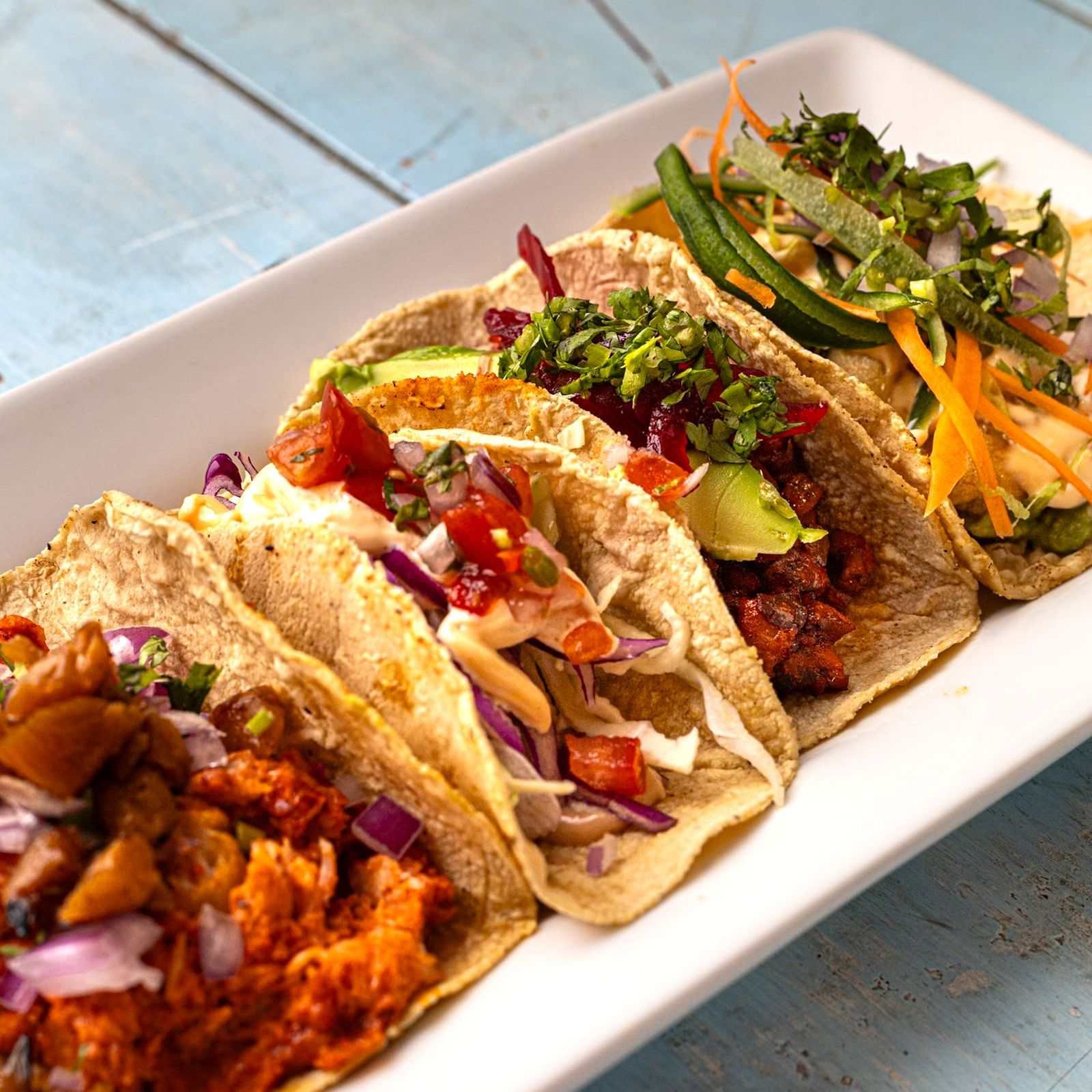
Mexican cuisine has been on UNESCO’s Intangible Cultural Heritage list since 2010, the first time a whole culinary tradition was recognised that way. It combines pre-Hispanic ingredients (maize, chile, cacao, tomato, avocado, vanilla) with ingredients the Spanish brought (pork, beef, dairy, olive oil). This page is a dish-by-dish primer. For a general overview see our Mexican food guide, for state-by-state cooking see Mexico’s regional cuisines, and for stalls and safety see the street food guide.
The foundation: corn
Almost everything starts with maize, not the sweet yellow kind but dozens of native varieties in black, blue, red, white and speckled forms. Tortillas are made from dough treated by nixtamalisation, cooking the corn in water with lime, which unlocks nutrients and flavour. Handmade tortillas pressed and cooked on a comal taste nothing like factory ones; if you see a market stall making them to order, eat there.
Essential dishes
Tacos
A taco is simply a filled tortilla, but regional variation is huge. Our tacos guide goes deeper; here are the essentials.
- Al pastor. Pork marinated in chiles and achiote, cooked on a vertical spit (an adaptation of the shawarma brought by Lebanese immigrants), served with pineapple, onion and cilantro. Best in Mexico City; roughly 15-30 MXN each.
- De canasta. Pre-filled tacos with potato, beans or chicharron, kept warm in cloth-lined baskets; a classic worker’s breakfast at 10-15 MXN.
- Birria. Goat or beef stewed in chiles and spices, served with a cup of broth for dipping. Originally from Jalisco; around 30-50 MXN.
- Cochinita pibil. A Yucatecan speciality of pork marinated in achiote and sour orange, wrapped in banana leaf and traditionally cooked in an underground pit. Around 20-35 MXN; on Sundays the best stalls in Merida have long lines.
- Camaron. Pacific-coast shrimp tacos in Sinaloa, Sonora and Nayarit, often with butter and guacamole, at roughly 40-70 MXN.
Mole
Mole is a family of sauces, not a single recipe, and can include 20 to over 100 ingredients: dried chiles, chocolate, fruit, spices, sesame, peanuts or pumpkin seeds, all toasted, ground and slow-cooked.
- Mole negro is Oaxaca’s dark, complex sauce built on mulato, chilhuacle and other chiles plus chocolate, normally served over chicken or turkey. Read our Oaxacan mole guide.
- Mole poblano is Puebla’s version with chocolate, a little lighter in colour and served over chicken.
- Mole verde uses pumpkin seeds, herbs and green chile for a lighter, fresher sauce.
- Mole amarillo is another Oaxacan speciality, with yellow chile and spices, used in stews and tamales.
Pozole
Mexico’s festive soup: pork (or chicken) broth with large cacahuazintle corn kernels, served with lettuce, radish, oregano, tostadas, chile powder and lime added at the table. Red pozole uses guajillo chile, white has none, and green uses tomatillo and herbs. In Mexico City, many pozole restaurants are busiest on Thursdays.
Tamales
Masa filled with pork in red sauce, poblano strips with cheese, chicken in mole, or sweet fruit, wrapped in corn husk or banana leaf and steamed. Tradition has families eating them on Candlemas (2 February), but they are available all year. Oaxaca’s black-mole tamales in banana leaf differ from those of central Mexico. Market price is typically 20-40 MXN each.
Chiles rellenos and chiles en nogada
Poblano chiles stuffed with cheese or seasoned meat, battered and fried, then served in tomato sauce. The showpiece is chile en nogada from Puebla, topped with a walnut cream sauce and pomegranate seeds in the colours of the Mexican flag. It is only made in season, mainly August and September.
Regional specialities
- Oaxaca. Seven moles, tlayudas (a large crisp tortilla with beans, quesillo and meat), tasajo (dried beef) and chapulines (toasted grasshoppers). Artisanal mezcal tastings run roughly 80-150 MXN a glass in Oaxaca bars, with wild-agave bottles higher. See Oaxaca food tours and our Oaxaca food guide.
- Yucatan. Cuisine with Maya roots: cochinita pibil, poc chuc (grilled pork with sour orange), papadzules and sopa de lima, flavoured with achiote, sour orange and habanero. For cheap breakfasts try Merida’s Lucas de Galvez and Santa Ana markets. See Merida food tours.
- Veracruz. Caribbean and African influences, including huachinango a la veracruzana (red snapper in a tomato, olive and caper sauce) and garnachas. The highland coffee from Coatepec and Cordoba is well regarded.
- Sinaloa and the northwest. Aguachile (raw shrimp in lime and green chile) and seafood plates in the Mazatlan area. See Mazatlan tours.
- Puebla. Mole poblano, chiles en nogada and Talavera ceramics. See Puebla.
Where to eat
Markets and cocinas economicas. Stalls inside municipal markets serve a full set lunch (soup, main stew, tortillas, agua fresca) for roughly 60-100 MXN, the best value and often the most authentic food in the country.
Taquerias. From a street stall to a large dining room. Price and quality do not always match, and some of the best tacos are eaten standing at the kerb. Budget 50-150 MXN to fill up.
Contemporary Mexican restaurants. Chefs such as Enrique Olvera (Pujol), Jorge Vallejo (Quintonil) and Alejandro Ruiz (Casa Oaxaca) bring traditional ingredients into modern cooking. Tasting menus generally cost around 1,500-2,500 MXN or more per person without drinks, and tables book weeks ahead. See our guide to the best restaurants in Mexico City.
For a guided introduction, a Mexico City food tour is an efficient first day, and Oaxaca tours add markets and mezcal.
Drinks
- Tequila. Made only from blue agave in Jalisco and a few neighbouring areas. Blanco is unaged, reposado rests 2-12 months and anejo more than a year.
- Mezcal. Distilled from many agave species across several states. Oaxaca is best known, but Guerrero, Durango and San Luis Potosi bottle quite different styles. See our mezcal and tequila guide.
- Pulque. Fermented, not distilled, agave sap: thick, slightly sour and around 4-8% alcohol, served plain or “cured” with fruit in pulquerias.
- Aguas frescas. Non-alcoholic drinks of fruit, cereal or flowers, such as hibiscus (jamaica), tamarind, rice horchata and watermelon.
- Cafe de olla. Coffee brewed in a clay pot with cinnamon and piloncillo sugar. Learn more in our coffee in Mexico guide.
Prices throughout are approximate as of 2026 and vary by city. To eat your way through the country, pair this with the things to do in Mexico overview and the Mexico itineraries, and read UNESCO’s entry on traditional Mexican cuisine for the heritage background.