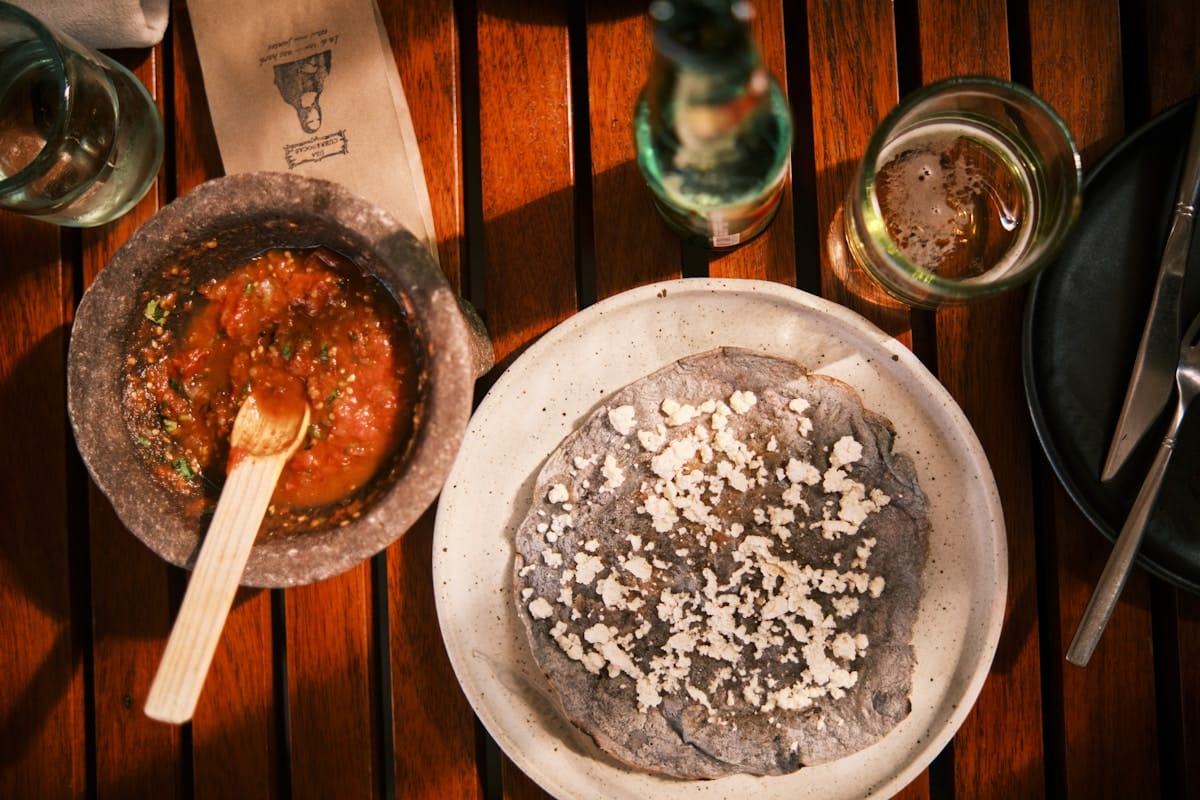
Oaxaca is Mexico’s most celebrated culinary destination - a city where pre-Hispanic cooking traditions remain intact alongside a thriving contemporary dining scene. Mole negro, tlayudas, tasajo, chapulines, and dozens of chilli varieties are all produced by vendors, market stalls, and home kitchens operating much as they have for generations. A guided food tour gives you direct access to producers, explains the cultural context behind each dish, and covers ground that would take independent visitors days to find.
Top Tours at a Glance
Here’s a quick comparison of top-rated tours on GetYourGuide:
| Tour | Duration | Price (from) | Group Size | Highlights |
|---|---|---|---|---|
| Oaxaca Food & Markets Tour | 2.5 hrs | from $40 | Up to 10 | Mercados Benito Juárez & 20 de Noviembre, 8+ tastings |
| Evening Street Food Tour — 14+ Tastings | 3 hrs | from $55 | Small group | Tlayudas, chapulines, mole negro, tejate, mezcal |
| Half-Day Cooking Class + Market Visit | 4–5 hrs | from $80 | Up to 8 | Hands-on mole and masa instruction, shared meal |
| Mezcal Distillery + Gastronomy Tour | 5–6 hrs | from $81 | Small group | Palenque visit, 6+ mezcal tastings, lunch |
| Private Oaxaca Food Tour | 3–4 hrs | from $140 | Private | Custom route, dietary accommodation, dedicated guide |
Browse all Oaxaca food tours → GetYourGuide
Types of Food Tour in Oaxaca
Mercado Benito Juárez and 20 de Noviembre market tours: the two central markets are the starting point for most food tours. Benito Juárez has produce, herbs, dried chillies, and cheese vendors; 20 de Noviembre is known for the corridor of comal stalls where you choose your meat (tasajo, cecina, chorizo) and watch it grilled. Guided tours typically take 2.5–3 hours and include tastings from 6–10 vendors.
Mole and cooking classes: Oaxaca’s mole negro is one of the most complex preparations in Mexican cuisine - 30+ ingredients, hours of toasting and grinding, and preparation techniques specific to individual family recipes. Half-day cooking classes (4–5 hours) typically start with a market trip to buy ingredients, then move to a kitchen for hands-on instruction. Best for serious food interest and those with more than two days in the city.
Mezcal distillery tours (palenque visits): the villages surrounding Oaxaca - Matatlán, Miahuatlán, San Dionisio Ocotepec - are home to artisanal mezcal production. Tours visit one or two palenques (distilleries), watch the tahona grinding process, and taste 4–8 mezcal varieties across different agave species. Usually combined with lunch at the distillery or in a nearby village. Half-day to full-day, depending on the number of stops.
Night street food walks: Oaxaca’s street food changes after dark. Vendors selling tejate (a pre-Hispanic chocolate drink), memelas, tostadas de tasajo, and freshly made tortillas appear on streets around the Zócalo from around 19:00. A small number of operators run dedicated evening tours - useful for travellers who want to see the city at night and eat at the same time.
Operator Prices
Seasons of My Heart: run by Susana Trilling, one of Oaxaca’s most respected culinary educators. Cooking classes from approximately MXN 2,800–3,800 / USD 140–190 per person as of 2026. Market tours and longer multi-day immersion programmes also available. Best for in-depth cooking instruction.
Alma de Mi Tierra: market and cooking class combinations in the historic centre. Known for small groups (maximum 8). Approximately MXN 1,600–2,400 / USD 80–120 per person for half-day sessions.
GYG-listed Oaxaca food tours: range from approximately MXN 800–2,000 / USD 40–100 per person for group market and street food tours. Budget options cover 6–8 tastings over 2.5 hours; mid-range includes a mole demonstration or cooking element. Check availability and same-day booking options via GetYourGuide.
Palenque day tours (mezcal): approximately MXN 1,400–2,200 / USD 70–110 per person including transport from Oaxaca city, guide, and tasting. Longer tours with lunch are MXN 2,400–3,200 / USD 120–160 per person.
What Is Typically Included
Market and street food tours (2.5–3 hours): guide, 8–12 tastings, water, and transport on foot between stops. Many include a mole tasting and at least one artisanal chocolate stop - Oaxaca produces high-quality dark chocolate and it appears in both savoury and sweet contexts. Dietary restrictions are manageable with notice; ask about vegetarian options, as many traditional dishes include lard in tortilla preparation.
Cooking classes (half day, 4–5 hours): guide/instructor, market visit, all ingredients, hands-on instruction for 3–5 dishes, shared meal at the end. What you make depends on the class format - expect mole, tlayudas, enfrijoladas, and at least one type of tamale in most sessions.
Best Neighbourhoods and Markets
20 de Noviembre market: the best single stop for Oaxacan food culture - the comal corridor is famous, and the stalls around the perimeter sell dried chillies, Oaxacan cheese (quesillo), and chapulines (toasted grasshoppers seasoned with lime and chilli). Best between 09:00–14:00.
Mercado Benito Juárez: adjacent to 20 de Noviembre, with a broader produce and herb selection. Good for understanding raw ingredients before tasting them prepared. Also has a juice section and affordable lunch spots used by locals.
Mercado de Tlacolula: 40 minutes from Oaxaca city on the Sunday market circuit. One of the largest traditional markets in the state, with mezcal, cheese, produce, and prepared food stalls. Some tour operators include this as a day-trip add-on.
Best Time for a Food Tour
Oaxaca’s food culture is most active in the morning. 08:00–13:00 is the optimal window for markets - vendors are fully stocked, comals are hot, and the pace is slower than midday. Afternoon tours (14:00–17:00) tend to focus on artisan producers, chocolate workshops, and mezcal tastings. Evening tours (19:00–22:00) are best for street food and the atmosphere around the Zócalo.
October and November are the busiest period because of the Day of the Dead celebrations and the Noche de Rábanos festival (23 December). Book at least a week ahead during these periods. The shoulder months of January–March and June–July are easier to book on short notice.
How to Book
GetYourGuide has strong Oaxaca food tour inventory across all types - market walks, cooking classes, and mezcal distillery visits. For cooking classes specifically, Seasons of My Heart and Alma de Mi Tierra accept direct bookings and can accommodate custom dietary requests. Book cooking classes at least 72 hours in advance; market and street food tours are often available the same day outside of festival periods.
Plan your trip: tours in Oaxaca.
Related Guides
- Oaxaca City Travel Guide - full destination overview
- Oaxacan Mole: A Guide to the Seven Moles - understand what you’ll taste on a food tour
- Oaxaca Mezcal Tasting Tours - dedicated guide to mezcal distillery visits
- Guelaguetza Festival Oaxaca - cultural context behind Oaxaca’s biggest annual event
- Oaxaca–Chiapas Itinerary - how to combine Oaxaca with San Cristóbal de las Casas