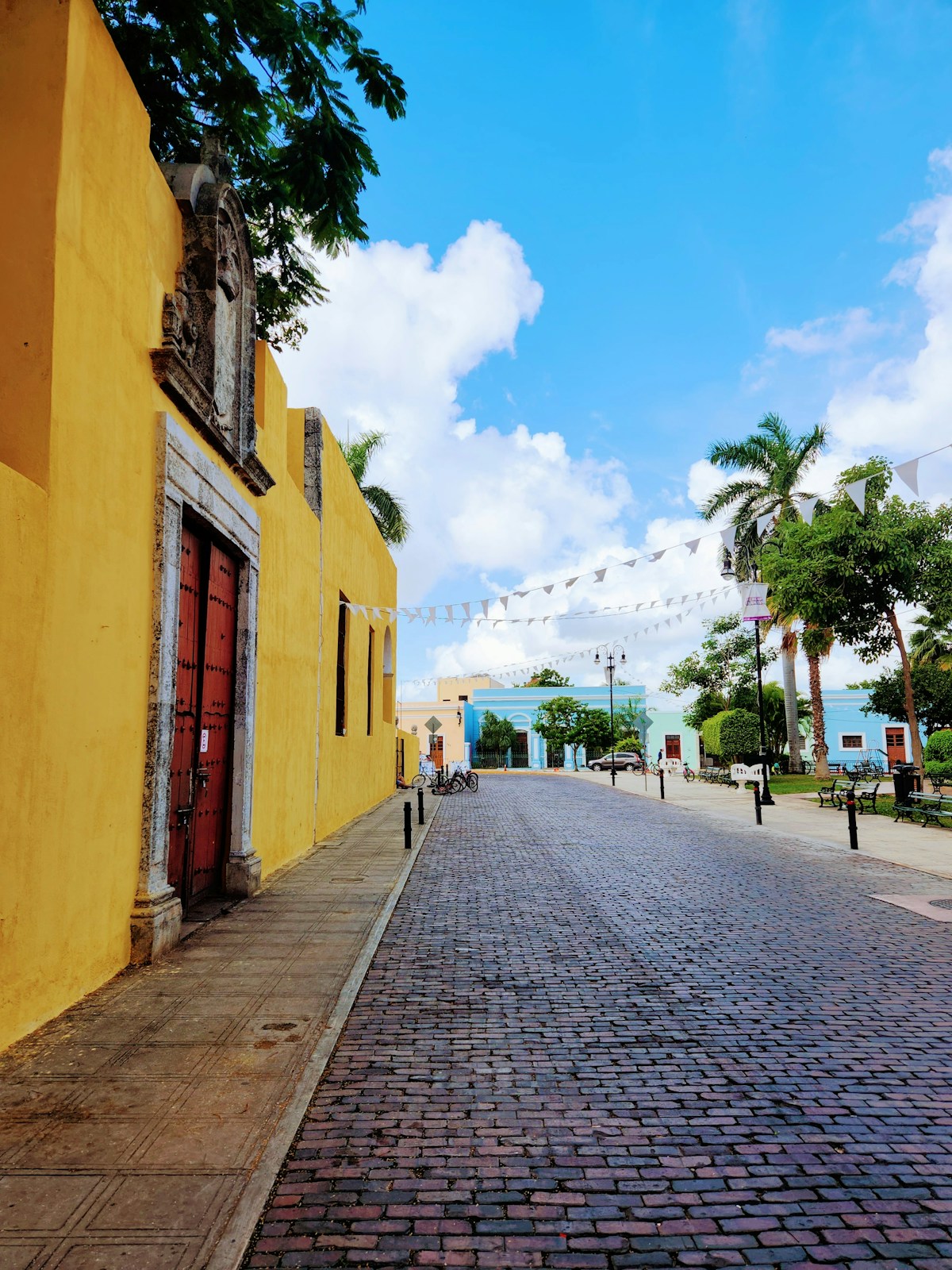
Mérida and Oaxaca are regularly cited as Mexico’s finest colonial cities for visitors who want culture, food, and architecture beyond the beach. They’re both beautiful, both have exceptional regional cuisines, and both are considered safe and welcoming for travellers. The differences come down to climate, pace, day-trip options, and which culinary tradition speaks to you more. Here’s the full comparison.
Quick Verdict
| Mérida | Oaxaca | |
|---|---|---|
| Altitude | Sea level, very hot in summer | 1,550 m, pleasant year-round |
| Character | European-Yucatecan grandeur, formal | Indigenous-colonial blend, bohemian |
| Cuisine | Yucatecan (cochinita pibil, poc chuc) | Oaxacan (mole negro, tlayudas, mezcal) |
| Day trips | Chichén Itzá, Uxmal, cenotes, Celestún | Monte Albán, Hierve el Agua, mezcal villages |
| Beaches | Progreso (40 km, Gulf coast) | None nearby |
| Daily budget | MXN $700–2,000 | MXN $600–1,800 |
| Expat/digital nomad scene | Growing, large North American community | Significant, long-established |
| Best for | Yucatan base, history buffs, heat-tolerant | Food obsessives, art lovers, mezcal fans |
Costs
Both cities are affordable by international standards and broadly comparable in cost, with minor differences in accommodation pricing.
Mérida approximate daily costs as of 2026:
- Budget (hostel, market food, walking): MXN $450–750
- Mid-range (boutique hotel, restaurant meals, occasional tours): MXN $1,000–2,000
- Comfort (colonial mansion hotel, cocktail bars): MXN $2,000–4,000
Oaxaca approximate daily costs as of 2026:
- Budget (hostel, market food, colectivos): MXN $400–700
- Mid-range (boutique guesthouse, tlayuda dinners, mezcal bar): MXN $1,000–1,800
- Comfort (Casa Oaxaca or equivalent, restaurant dining): MXN $2,000–4,500
Both cities offer exceptional value relative to the quality of the experience. Oaxacan mezcal is considerably cheaper at source than in Mexico City; Mérida’s markets offer some of the most affordable Yucatecan food in the region.
Food and Dining
Mérida serves Yucatecan cuisine - a distinctive regional style that blends Maya techniques with Caribbean and Middle Eastern (Lebanese immigration) influences. Cochinita pibil (slow-roasted pork marinated in achiote and citrus, cooked underground in banana leaves) is the Yucatán’s signature dish and the best versions in the world are in and around Mérida. Try La Chaya Maya (Calle 62 at Calle 57, cochinita pibil plate approximately MXN $120–180 as of 2026) or the early-morning markets where cochinita vendors run from 7am until it sells out. The Sunday market on the Zócalo sets up extensive food and artisan stalls. Poc chuc (grilled pork with citrus and pickled onion) and sopa de lima (lime-scented chicken consommé) are other Mérida essentials.
Oaxaca serves one of Mexico’s most internationally recognised cuisines. The seven moles - each distinct in colour, heat, and complexity - are the centrepiece. Mercado 20 de Noviembre (Avenida 20 de Noviembre, off the Zócalo) has open charcoal grills where you select raw meat (tasajo, chorizo, or tlayuda tortillas) and cook at your own fire for approximately MXN $120–200. Restaurante Los Pacos (Abasolo 113, mains approximately MXN $150–280) and Criollo (Lincoln 102, seasonal tasting menu approximately MXN $1,200) represent opposite ends of the formal dining spectrum. Oaxacan chocolate, made from stone-ground cacao with cinnamon and sugar, is best consumed as hot drink at the Mercado Benito Juárez. See our regional cuisines guide for a deeper look at Oaxacan and Yucatecan food.
Culture and Architecture
Mérida is known as the “White City” for its Yucatecan limestone colonial architecture. The Plaza Grande (Zócalo) is framed by the 16th-century Cathedral of San Ildefonso, one of the oldest cathedrals in the Americas. The Palacio de Gobierno murals by Fernando Castro Pacheco tell the story of Yucatecan and Maya history across an entire staircase. Paseo de Montejo - Mérida’s version of a Haussmann boulevard - is lined with French-influenced mansions built during the 19th-century henequen (sisal) boom; the Museo de Montejo (former governor’s mansion, entry approximately MXN $70 as of 2026) has well-presented Yucatecan history exhibits. Read more on the Mérida city hub.
Oaxaca blends indigenous Zapotec culture with Spanish colonial architecture in a compact historic centre. The Templo de Santo Domingo and its adjacent cultural museum complex (museum entry approximately MXN $90 as of 2026) houses extraordinary pre-Hispanic Zapotec gold jewellery from Monte Albán’s Tomb 7. The neighbourhood of Jalatlaco - seven blocks of narrow streets with flower-draped doorways and indie cafés - is considered one of Mexico’s most photogenic urban areas. The neighbourhood’s scale means it’s easily walkable. Read more on the Oaxaca city hub.
Day Trips
Mérida day trips focus on the extraordinary concentration of Maya archaeology and natural cenotes in the Yucatan Peninsula:
- Chichén Itzá (120 km east, approximately 1.5 hours, entry approximately MXN $317 as of 2026): Mexico’s most-visited archaeological site.
- Uxmal (80 km south, approximately 1 hour, entry approximately MXN $90): Less-visited Puuc style Maya site - considered architecturally more refined than Chichén Itzá.
- Cenotes (Cenote Ik Kil, Homun cenote circuit, Suytun): Dozens of accessible cenotes within 90 minutes.
- Celestún Biosphere Reserve (90 km west): Flamingo colonies in the wetlands, best seen by boat (approximately MXN $600–800 per group).
Oaxaca day trips combine archaeology, craft villages, and distilleries:
- Monte Albán (10 km from city, approximately MXN $95 entry, colectivo MXN $40 each way): Zapotec capital with panoramic views and extensive ruins across a flattened mountaintop.
- Hierve el Agua (70 km east, petrified waterfall formations): MXN $30 entry, colectivo tour approximately MXN $300–400.
- Tlacolula Valley market (Sunday, 45 minutes east): Largest indigenous market in the state, best experienced on Sunday morning.
- Mezcal distilleries around Santiago Matatlán (50 km east, “Mezcal capital of the world”): Free or low-cost visits to artisan palenques.
Accommodation
Mérida specialises in colonial mansion conversions (haciendas in the city centre). Hacienda Xcanatún (Km 12 Mérida-Progreso, approximately MXN $3,500–5,500/night as of 2026) is an extraordinary 17th-century hacienda 15 minutes from the city. In the centre, Hotel Julamis (Calle 53, approximately MXN $1,500–2,500/night) offers well-restored colonial rooms. Nomads Hostel (Calle 62, approximately MXN $350–500/dorm) is the best budget option in the Centro.
Oaxaca boutique hotels: Casa Oaxaca (García Vigil 407, approximately MXN $3,000–4,500/night as of 2026, rooftop views), Hotel Quinta Real Oaxaca (5 de Mayo 300, former 16th-century convent, approximately MXN $2,500–4,000/night), Hotel Catedral (García Vigil 105, approximately MXN $900–1,400/night, reliable mid-range).
When to Visit
Mérida: November–February is the most comfortable period (22–28°C). March–May heats up rapidly; June–October is genuinely very hot (35–40°C) and humid. Christmas period is festive and busy.
Oaxaca: April–May and October–early November are ideal: dry, cooler, without peak crowds. Day of the Dead (1–2 November) and Guelaguetza (third Monday of July) are peak festivals - spectacular but expensive and heavily booked. June–August is rainy season but the city remains very functional.
How many days for each city?
Mérida minimum: 3 days is enough for the historic centre, the Palacio de Gobierno murals, Paseo de Montejo, and one day trip to Uxmal or the nearby cenotes. 4–5 days adds Chichén Itzá, a second cenote circuit, and time to eat your way through the Sunday market. A week allows a relaxed pace and the flamingo reserve at Celestún.
Oaxaca minimum: 3 days covers the central market, Monte Albán, and a mezcal bar evening. 4–5 days adds Hierve el Agua, the Tlacolula Valley Sunday market, and craft village exploration around Teotitlán del Valle. A week is genuinely not too much - Oaxaca rewards slow travel.
Combined: For a Yucatán + Oaxaca itinerary, 4 nights Mérida + 4 nights Oaxaca (connecting via Mexico City) is the practical minimum. Allow a full day for the connecting travel.
Digital nomad comparison
Mérida has a growing North American expat and remote worker community, centred on the historic centro and Paseo de Montejo corridor. Coworking spaces include Nómada and Mango Cowork (approximately MXN $2,000–3,500/month as of 2026). Monthly furnished apartment rentals in Centro run approximately MXN $8,000–18,000. The heat (35–40°C in summer) is a real quality-of-life constraint for long stays without reliable air conditioning. Winter months (November–February) are the obvious choice for extended stays.
Oaxaca has a longer-established nomad and expat scene, with a notable arts and craft community. Coworking from approximately MXN $1,800–3,200/month at spaces like Cowo Oaxaca. Furnished rooms in Jalatlaco and Reforma neighbourhoods start from approximately MXN $9,000–16,000/month. The altitude (1,550 m) means comfortable year-round temperatures and lower air conditioning costs. Oaxaca is generally considered the better long-stay option for those who prioritise food, culture, and walkability. See our Oaxaca digital nomad guide for full coworking and neighbourhood detail.
Verdict
Choose Mérida if Yucatecan archaeology (Chichén Itzá, Uxmal, cenotes) is a priority, you want a beach option (Progreso, 40 minutes north), or you’re visiting in the cooler winter months when the heat is manageable.
Choose Oaxaca if food and mezcal culture are the primary draw, you want a more bohemian, artsy city atmosphere, or you’re visiting during Guelaguetza or Day of the Dead festivities.
For a genuinely exceptional Mexico trip: include both. Fly into Cancún for the Yucatán (Mérida + day trips), then connect to Oaxaca via Mexico City. These two cities represent the best of Mexico’s inland cultural travel.
Plan your trip: tours in Mérida · flights to Mexico · travel insurance.
Related City Guides
Ready to Plan Your Trip?
See our itineraries for inspiration:
- 10 Days Yucatan - ten days through the Yucatán Peninsula
- Yucatan Road Trip - a ten-day Yucatán road trip
- 10 Days Mexico - ten days from the capital to the Caribbean
- 2 Weeks Mexico - the two-week Mexico circuit