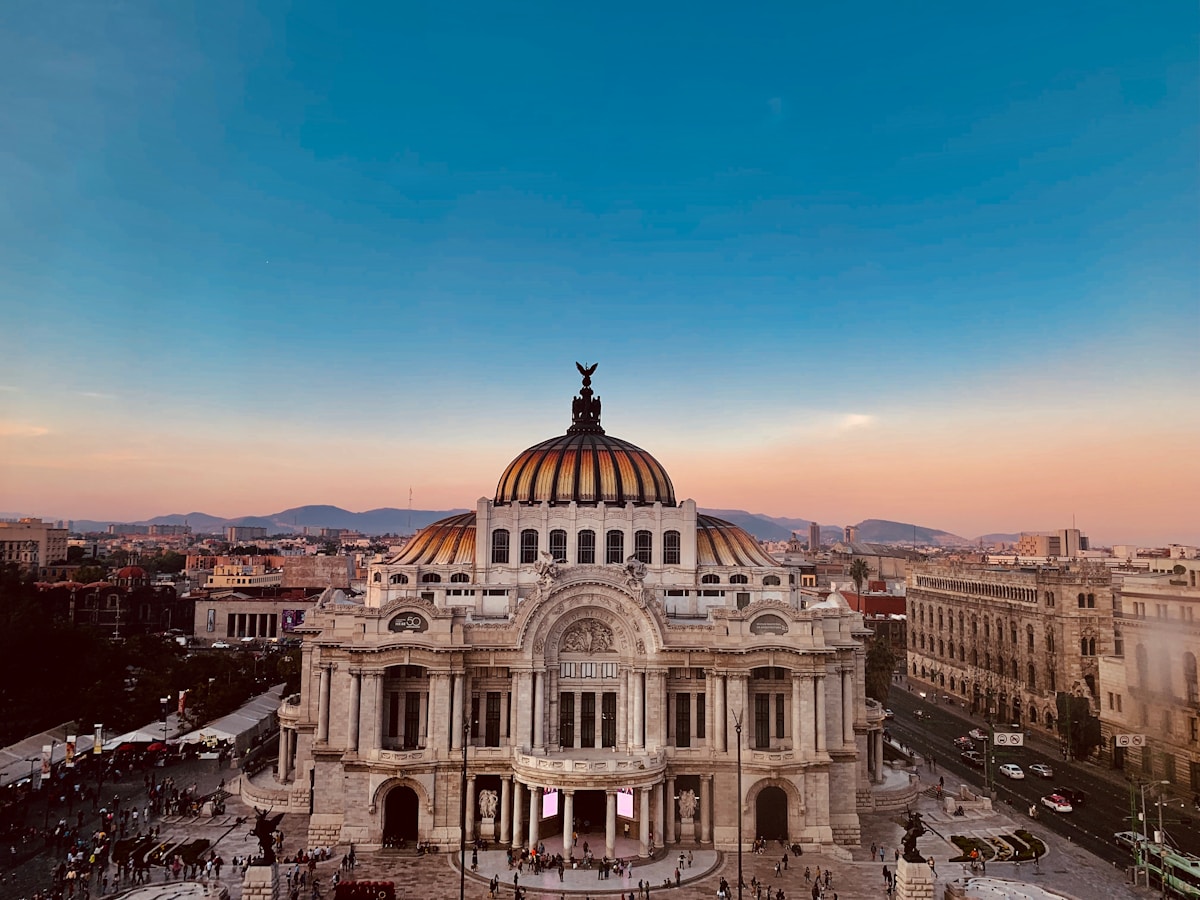
Mexico City and Oaxaca are two of the most visited destinations in Mexico for good reason - both have world-class food, deep cultural roots, and compelling colonial architecture. But they’re radically different in scale, pace, and character. This guide lays out the key differences so you can decide which fits your trip, or how to combine both.
Quick Verdict
| Mexico City | Oaxaca | |
|---|---|---|
| Scale | Megalopolis, 21 million people | City of 300,000, very walkable |
| Pace | Fast, urban, overwhelming | Slow, compact, relaxed |
| Food scene | Unmatched breadth | Extraordinary depth |
| Culture & museums | World-class, exhausting quantity | Focused, highly rewarding |
| Budget per day | MXN $800–2,500 | MXN $600–1,800 |
| Getting there | Major hub, dozens of direct flights | Small airport, usually via CDMX |
| Best for | City lovers, food obsessives, museum-goers | Culture-seekers, food tourists, slow travellers |
Costs
Both cities are affordable by international standards, but Mexico City has more variance - budget options and luxury hotels exist side by side, and neighbourhoods affect prices significantly.
Mexico City daily budget estimates as of 2026:
- Budget traveller (hostel, street food, metro): MXN $500–900
- Mid-range (guesthouse or boutique hotel in Roma, sit-down meals, Ubers): MXN $1,500–2,500
- Comfort (boutique hotel in Condesa, cocktail bars, taxis): MXN $2,500–5,000+
Oaxaca daily budget estimates as of 2026:
- Budget traveller (hostel, market food, walking): MXN $400–700
- Mid-range (boutique guesthouse, tlayuda dinners, mezcal bar): MXN $1,000–1,800
- Comfort (design hotel like Casa Oaxaca, restaurant dining): MXN $2,000–4,000
Oaxaca runs cheaper on average, particularly for accommodation and food. Mezcal is priced at source - you’ll pay considerably less than in Mexico City bars.
Food
Food is the main draw for many visitors to both cities, and the debate over which is better for eating is genuinely unresolved.
Mexico City offers staggering breadth. In a single day you can eat Oaxacan tlayudas, Yucatecan cochinita pibil, Veracruz-style seafood, high-end tasting menus, and world-famous street tacos. Essential stops: El Huequito (Pasaje Jacarandas, tacos al pastor from approximately MXN $25 each as of 2026), Mercado de la Merced for market browsing, and Pujol (Polanco, tasting menu approximately MXN $2,500 per person) for a once-in-a-trip splurge. See our tacos guide for more on Mexico City taco culture.
Oaxaca offers depth over breadth. The seven moles of Oaxaca - negro, rojo, coloradito, amarillo, verde, chichilo, manchamanteles - each tell a different culinary story. Mercado 20 de Noviembre (Avenida 20 de Noviembre, near the Zócalo) is the city’s essential food market - grill your own tasajo and chorizo at the charcoal stalls for approximately MXN $120–180 per plate. Casa Oaxaca Restaurante (García Vigil 407, mains approximately MXN $280–450) is the city’s benchmark fine-dining experience. For mezcal, In Situ (Morelos 511) stocks more than 400 mezcals from small producers. See our mezcal and tequila guide for context on Oaxacan producers.
Culture and Sights
Mexico City has an almost overwhelming quantity of world-class museums and cultural sites. The Museo Nacional de Antropología (Bosque de Chapultepec, approximately MXN $90 entry as of 2026) alone warrants a full day. The Palacio de Bellas Artes, Museo Frida Kahlo (Coyoacán, approximately MXN $270 entry), and Templo Mayor (the excavated Aztec temple beside the Zócalo, approximately MXN $90) are all unmissable. The sheer volume means most visitors leave feeling they’ve seen 30% of what’s available.
Oaxaca is more digestible. The Monte Albán Zapotec archaeological site (approximately 10 km from the city centre, approximately MXN $95 entry, colectivo taxi approximately MXN $40 each way) is one of Mexico’s most important pre-Hispanic sites. The Museo de las Culturas de Oaxaca inside the Santo Domingo convent complex (free after the church, museum approximately MXN $90) has exceptional pre-Hispanic gold jewellery. The Mercado de Artesanías and surrounding streets offer some of Mexico’s finest textile, ceramics, and woodcarving (alebrijes) shopping. Day trips to the Tlacolula Valley market, the petrified waterfall at Hierve el Agua, and mezcal distilleries around Santiago Matatlán are all within 60–90 minutes of the city. Read more on the Oaxaca city hub.
Accommodation
Mexico City has excellent options across every budget. Hotel Condesa DF (Veracruz 102, Roma Norte, approximately MXN $3,500–5,500/night as of 2026) is one of the city’s most stylish boutique hotels. Casa Comtesse (Colonia Juárez, approximately MXN $2,000–3,200) offers good value in a quieter neighbourhood. Budget hostels in Roma and Condesa run approximately MXN $400–700/night for a dorm bed.
Oaxaca is known for intimate boutique hotels in colonial buildings. Casa Oaxaca (García Vigil 407, approximately MXN $3,000–4,500/night) has a rooftop with cathedral views and a strong reputation. Hotel Parador San Agustín (Armenta y López 601, approximately MXN $900–1,500/night) offers reliable mid-range comfort near the Zócalo. Hostel Pochón (Aldama 302, approximately MXN $300–400/dorm bed) is a good budget option in the Jalatlaco neighbourhood.
Getting Around
Mexico City has a vast metro network (approximately MXN $6 per trip as of 2026) that reaches all major areas, plus Metrobús, peseros (shared minibuses), and abundant Uber and DiDi options (typically MXN $70–200 per trip within the city). Driving is not recommended for visitors.
Oaxaca is small enough to walk almost everywhere - the central historic district covers roughly 1.5 km in each direction. Taxis within the city centre run approximately MXN $50–80. Colectivo shared taxis to nearby villages (Teotitlán, Tlacolula, Mitla) run approximately MXN $20–50 each way.
When to Visit
Mexico City is pleasant year-round. The dry season (November–April) has the clearest skies. Rainy season (June–September) brings afternoon downpours but also lush greenery. The city shuts down in August as locals take holiday; December is festive and busy.
Oaxaca peaks around Day of the Dead (1–2 November), Guelaguetza festival (third Monday of July and surrounding days), and Christmas/Easter. These are magical but expensive and crowded periods. April–May and October–early November are ideal: dry, cooler, and without peak-season crowds. The valleys around Oaxaca can be very hot June–August. See our best time to visit Mexico guide for more on seasonal patterns.
Verdict
Mexico City is for those who want maximum cultural density - museums, food variety, architecture, and urban energy packed into a single destination. It requires planning and a tolerance for scale.
Oaxaca is for those who want depth over breadth - to understand one extraordinary food and cultural tradition rather than sample a dozen. It rewards slow travel and rewards those who venture into the surrounding villages.
Best choice for most itineraries: do both. Four nights in Mexico City, then fly or bus to Oaxaca for another four nights. This pairing is one of Mexico’s finest travel combinations.
Plan your trip: tours in Mexico City · flights to Mexico · travel insurance.
Related Comparisons
- Mérida vs Oaxaca — choosing between Yucatán and Oaxaca
- Oaxaca vs San Cristóbal — two Southern Mexico bases compared
Related City Guides
Ready to Plan Your Trip?
See our itineraries for inspiration:
- Oaxaca Chiapas Itinerary - ten days through Oaxaca and Chiapas
- Mexico City To Oaxaca - the Mexico City to Oaxaca route
- 1 Week Mexico - one week covering Mexico City, Oaxaca and the beach
- 2 Weeks Mexico - the two-week Mexico circuit