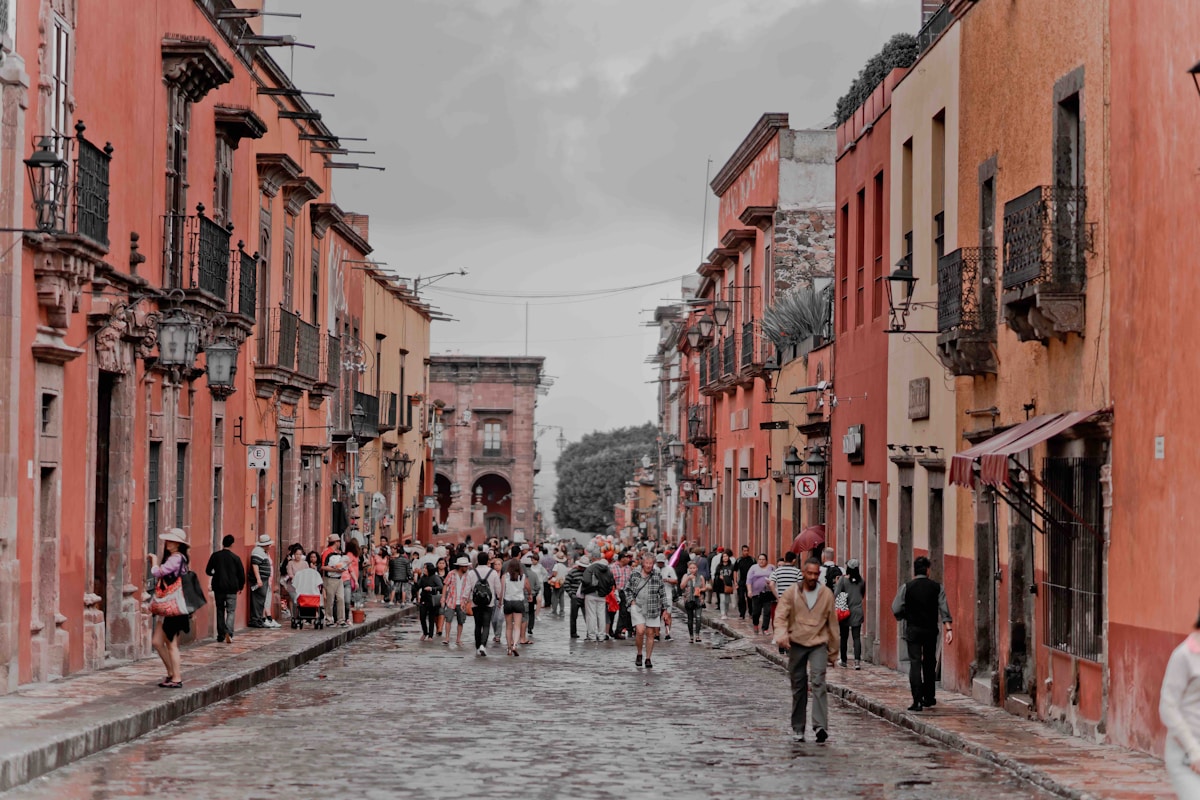
December is peak season on Mexico’s Caribbean and Pacific coasts - dry, sunny, warm, and busy. The Christmas period brings the most visitors of the year and the highest accommodation prices. The cultural calendar is rich with posadas, Virgen de Guadalupe celebrations, and Christmas traditions that run throughout the month.
Weather
| City | Avg High °C | Avg Low °C | Rain Days | Humidity | Crowd Level |
|---|---|---|---|---|---|
| Mexico City | 20 | 7 | 2 | Low | High (Christmas/NYE) |
| Cancún | 28 | 20 | 2 | Low–Moderate | High |
| Guadalajara | 24 | 8 | 1 | Low | Moderate |
December is one of the best weather months in Mexico:
Caribbean coast (Cancún, Tulum, Riviera Maya): 26-30°C, very low rainfall, bright sunshine, minimal humidity. The best beach conditions of the year. Sargassum seaweed is at its lowest.
Pacific coast (Puerto Vallarta, Los Cabos): 24-28°C, dry, sunny. The best weather on the Pacific side. Water visibility is excellent for snorkelling and diving.
Mexico City: 18-22°C daytime, cool nights (can drop to 5-8°C). Dry. Pleasant for city exploration but bring layers for evenings - restaurants with outdoor seating can be chilly after dark.
Oaxaca: 22-26°C, dry. Excellent conditions for exploring the city and surrounding valleys.
Yucatán interior (Mérida): 24-28°C - the most comfortable month of the year in one of Mexico’s hottest cities. The cooler temperatures make walking the centro histórico and visiting nearby sites like Uxmal far more pleasant than the summer months.
Virgen de Guadalupe (12 December)
The feast day of the Virgin of Guadalupe - Mexico’s most important religious date. The Basilica of Guadalupe in Mexico City receives millions of pilgrims in the days around 12 December. Pilgrimages begin arriving on foot from across Mexico days in advance, some walking hundreds of kilometres. The celebrations include all-night vigils, mariachi masses, indigenous dance groups performing in the basilica plaza, and an extraordinary atmosphere of devotion.
Every town and city in Mexico celebrates 12 December with local processions and masses. It’s not a public holiday, but the scale of observance makes it the country’s defining religious event.
Posadas (16-24 December)
The nine nights before Christmas Eve are celebrated with posadas - processions representing Mary and Joseph seeking lodging. Participants carry candles and sing the traditional letanía, moving from house to house before being “admitted” to the host’s home for a communal gathering with tamales, ponche (warm fruit punch), buñuelos, and piñatas for children.
In residential neighbourhoods and smaller colonial towns, posadas are community events that welcome visitors. San Miguel de Allende and Guanajuato have particularly atmospheric posadas, with processions through cobblestone streets lit by paper lanterns. Oaxaca’s posadas incorporate the Noche de Rábanos (Night of the Radishes) on 23 December - a competition to carve elaborate scenes from oversized radishes, unique to the city.
Christmas and New Year
Nochebuena (24 December) is the main family celebration - a large dinner featuring tamales, bacalao (salt cod), romeritos, and ponche. Midnight mass (Misa de Gallo) follows. Gift-giving has shifted increasingly toward this date, though traditional households still emphasise Día de Reyes (6 January).
New Year’s Eve: Mexico City’s Zócalo, Cancún’s Hotel Zone beaches, Puerto Vallarta’s Malecón, and Los Cabos marinas all have significant celebrations with fireworks and live music. Traditions include eating twelve grapes at midnight (one per clock chime) and wearing coloured underwear for luck.
Crowds and prices
The last two weeks of December (Christmas and New Year) are the most expensive of the entire year. Cancún Hotel Zone, Tulum Corridor, and Puerto Vallarta all reach annual price peaks. Book as early as possible - by October or November for peak dates. New Year’s Eve is particularly constrained.
Early December (1-15 December) is significantly cheaper than the Christmas-New Year period, with good weather already established. This is the value window within peak season.
Wildlife
Whale watching: humpback whales are active in Banderas Bay (Puerto Vallarta). Grey whales are settling into the lagoons of Baja California Sur - San Ignacio, Ojo de Liebre, and Magdalena Bay. December is early season; the best grey whale encounters are January-March when mothers bring calves close to boats.
Monarch butterflies: the Michoacán sanctuaries (El Rosario, Sierra Chincua) are in full season. December mornings can produce spectacular displays as the butterflies warm in the sun and take flight in massive clouds. The sanctuaries are open daily and accessible from Mexico City as a day trip or overnight stay in Angangueo.
Cenote clarity
December cenotes are at their best - dry season water clarity is excellent, and the cooler air temperatures make the constant 24-26°C water feel refreshing rather than tepid. Early morning visits to popular cenotes (before tour groups arrive from Cancún around 10 am) offer the best experience.
Plan your trip: tours across Mexico · flights to Mexico · travel insurance.
Related City Guides
- Mexico City Travel Guide
- Cancún Travel Guide
- Puerto Vallarta Travel Guide
- Tulum Travel Guide
- Oaxaca City Travel Guide
- Los Cabos Travel Guide
Ready to Plan Your Trip?
See our itineraries for inspiration:
- 1 Week Mexico - one week covering Mexico City, Oaxaca and the beach
- 10 Days Mexico - ten days from the capital to the Caribbean
- 2 Weeks Mexico - the two-week Mexico circuit
- Budget Mexico Itinerary - a full Mexico trip on a budget