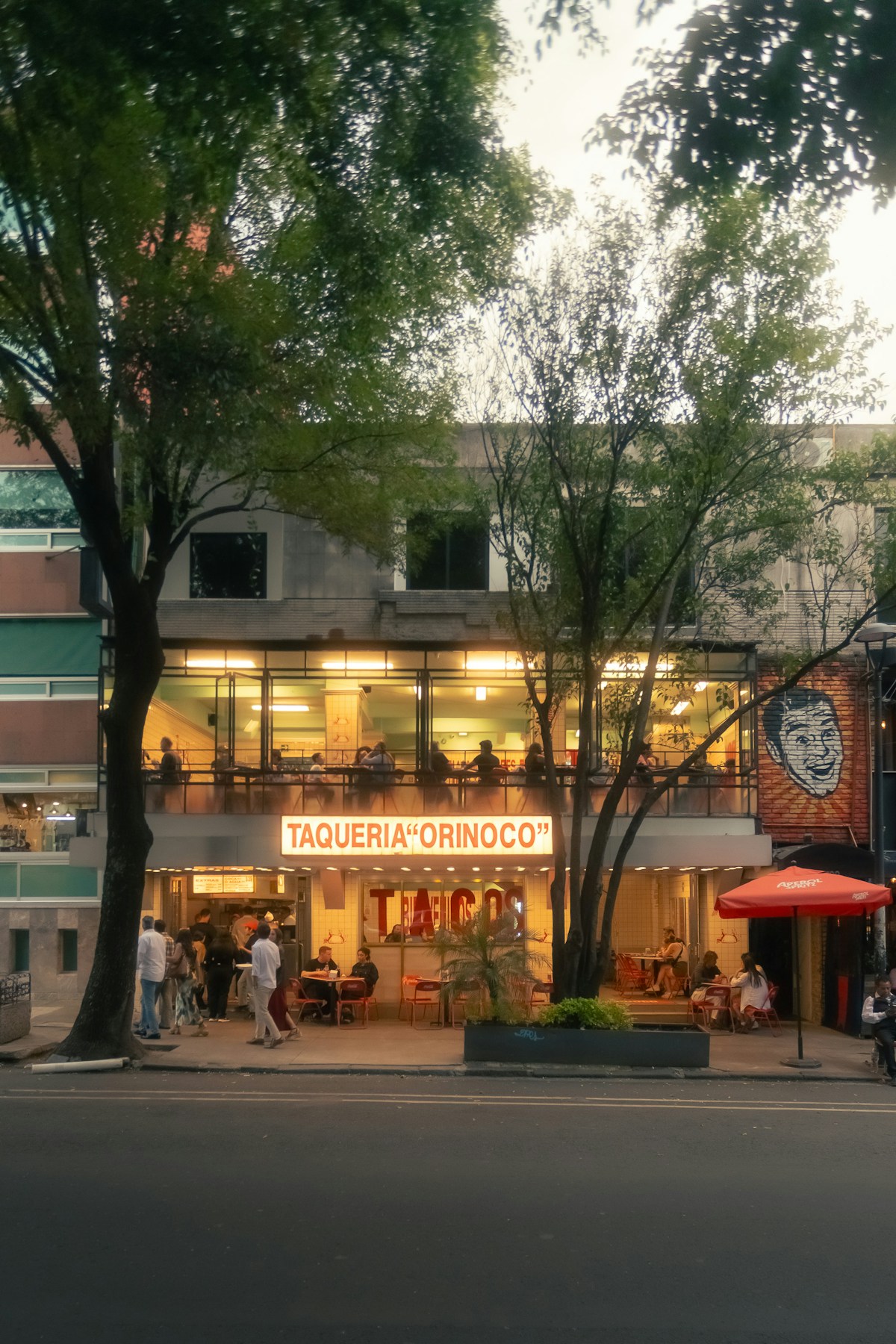
Mexico City has one of the most complex and rewarding food cultures in the world - a mix of pre-Hispanic traditions, regional Mexican cuisines from across the country, and modern restaurant culture that has placed CDMX among the top dining destinations globally. A guided food tour lets you access the best street stalls, market vendors, and neighbourhood spots without spending hours researching or ordering blind. This guide covers the main tour options, prices, and what each type of experience delivers.
Top Tours at a Glance
Here’s a quick comparison of top-rated tours on GetYourGuide:
| Tour | Duration | Price (from) | Group Size | Highlights |
|---|---|---|---|---|
| Authentic Downtown Food Tour | 3 hrs | from $45 | Up to 12 | Historic centre, 8+ tastings, local guide |
| Old Town Food Tour — 7 Tastings + Secret Dish | 3–4 hrs | from $69 | Small group | Chilaquiles, mole, tacos, artisanal chocolate |
| Tacos & Mezcal Night Food Tour | 3 hrs | from $55 | Up to 10 | Evening tour, mezcal pairings, 6+ stops |
| Roma & Condesa Neighbourhood Food Tour | 3 hrs | from $65 | Small group | Trendy neighbourhoods, modern CDMX cuisine |
| Private Custom Food Tour | 4 hrs | from $175 | Private | Bespoke route, dietary accommodation, dedicated guide |
Browse all Mexico City food tours → GetYourGuide
Types of Food Tour in Mexico City
Market tours: structured walks through major markets with a guide who explains ingredients, history, and cooking techniques. Mercado de la Merced, Mercado Medellín, and the Jamaica flower market are the most commonly visited. You’ll taste ingredients and prepared foods at vendor stalls - typically 8–12 tastings over 3 hours. Best for understanding the raw material side of Mexican cooking.
Street food walks: focused on antojitos - quesadillas, tlayudas, tamales, gorditas, sopes, and regional variations that appear on CDMX street corners. Usually cover 4–6 stops in one neighbourhood over 2.5–3 hours. Neighbourhoods include Tepito (expert-guided only), La Merced, Guerrero, and the historic centre.
Neighbourhood tasting tours: Roma, Condesa, and Coyoacán have become dining destinations in their own right - these tours combine casual restaurant stops, food stalls, and historical context. Better for travellers who want to eat at a level between market stall and upscale restaurant.
Night food tours: street food is different after dark. Taco stands, barbacoa vendors (many only operate from late evening), and pozole spots open around 20:00. A small number of operators run dedicated night tours - a worthwhile alternative for travellers who don’t want to spend their afternoons eating.
Operator Prices
Eat Mexico: one of the oldest English-language food tour operations in CDMX. Market tours and street food walks run 3–4 hours; prices approximately MXN 1,800–2,400 / USD 90–120 per person as of 2026. Groups limited to 6 people; good for serious food interest.
Club Tengo Hambre: neighbourhood-focused tours in Roma and Condesa. Known for combining food with cultural context. Approximately MXN 1,600–2,200 / USD 80–110 per person. Half-day and evening options.
Mexico City Street Food Tours (GYG-listed): range of operators from approximately MXN 900–1,600 / USD 45–80 per person for group tours. Budget end covers fewer stops and larger groups (up to 15). Mid-range operators typically include 10–14 tastings, a guide, and filtered water throughout.
Private food tours: approximately MXN 3,500–6,000 / USD 175–300 per person for 4 hours, depending on what’s included. Worthwhile if you want custom dietary accommodation or itinerary flexibility.
Airbnb Experiences: CDMX has a strong selection - some of the most reviewed are hosted by local cooks rather than professional guides. Prices typically MXN 700–1,400 / USD 35–70 per person for 2–3 hours. Quality varies; check review dates since experience quality can change when hosts change.
What Is Typically Included
Most 3-hour tours include: guide, 8–14 food and drink tastings (enough to constitute a meal), water throughout, and transit between stops on foot. Some longer tours include a mezcal or pulque tasting - check what’s covered. Dietary restrictions (vegetarian, no pork) can usually be accommodated with 24-hour notice; vegan is harder in traditional market settings but manageable with a good operator.
Best Neighbourhoods for Food Tours
La Merced / Historic Centre: the most raw and varied market experience. Best with a guide - the area is busy and some vendors don’t speak English. Best in the morning.
Roma Norte: Mexico City’s most-visited neighbourhood for international travellers - excellent coffee, taquerias, and regional restaurants within walking distance. Good for a first afternoon in the city.
Coyoacán: strong market culture (Mercado de Coyoacán), quieter than the centre, good for families. Famous for the blue house (Frida Kahlo Museum) nearby - easily combined with a morning tour.
Tepito: street food is exceptional here - tamales, chicharrón, and carnitas from vendors who have been in the same spot for decades. Only visit with an experienced local guide; the neighbourhood is not suitable for independent exploration by visitors unfamiliar with CDMX.
Best Time for a Food Tour
Food culture in Mexico City is time-specific. Morning (08:00–12:00) is best for markets, tamale vendors, and breakfast-oriented street food. Afternoon (14:00–17:00) is comida time - main meal of the day in Mexico, so restaurants are at their most active. Evening (20:00–23:00) is best for tacos, barbacoa, and pozole stalls.
Year-round the weather in CDMX is mild - at 2,240 metres elevation, temperatures rarely exceed 26°C and food tours are comfortable in any month. November to March is the dry season and the most popular period for food tourism.
How to Book
GetYourGuide has the broadest selection of Mexico City food tours, including same-day and next-day availability. Viator has similar coverage. For a more curated experience, book directly with Eat Mexico or Club Tengo Hambre - both have English-language websites and respond quickly to dietary queries. Book at least 48 hours in advance for small-group tours during high season (December–April).
Plan your trip: tours in Mexico City.
Need a tour this week? Our last-minute tours page shows what’s available in Mexico City with same-day or next-day slots.
Related City Guides
- Mexico City Travel Guide
- Food to Try in Mexico City - dishes and markets to find independently
- Street Food Guide to Mexico - nationwide street food context from tacos to tamales
- Vegan Guide to Mexico City - plant-based options in CDMX’s markets and restaurants
- 3 Days in Mexico City - how to fit a food tour into a short city break itinerary
- Mexico City Digital Nomad Guide - longer-stay context for those spending weeks in CDMX