Mexico and Costa Rica attract similar international audiences - nature lovers, beach seekers, and cultural travellers - but they deliver very different experiences. Mexico is vast, culturally complex, and offers almost infinite variety. Costa Rica is small, ecologically exceptional, and increasingly expensive for what it delivers. Here’s an honest comparison.
Quick Verdict
| Mexico | Costa Rica | |
|---|---|---|
| Size | 1.97 million km², highly diverse | 51,000 km², compact |
| Daily budget | USD $40–140 | USD $60–180 |
| Beaches | Extensive, Caribbean and Pacific | Good, Pacific focus |
| Wildlife | Marine highlights, desert, jungle | World-class land wildlife density |
| Culture & history | Deep pre-Hispanic and colonial heritage | Less deep cultural history |
| Food | One of the world’s great culinary countries | Simpler cuisine, less variety |
| Flight access | Excellent from US, Europe | Good from US, fewer Europe direct |
| Overall value | High | Moderate to low |
Costs
The cost difference between Mexico and Costa Rica is significant enough to be a genuine deciding factor for budget-conscious travellers.
Mexico approximate daily costs as of 2026:
- Budget: USD $35–60 (hostel dorm, street food, local transport)
- Mid-range: USD $80–140 (boutique guesthouse, restaurant meals, occasional tours)
- All-inclusive Cancún: USD $100–200/person/night including all food and drink
Costa Rica approximate daily costs as of 2026:
- Budget: USD $60–100 (guesthouse, sodas/local restaurants, buses)
- Mid-range: USD $120–200 (eco-lodge, sit-down meals, guided tours)
- Eco-lodge packages: USD $150–350/night often with meals
Costa Rica’s national parks have risen sharply in entry fees - Corcovado National Park runs approximately USD $15–20 per day (plus guide fees), Manuel Antonio approximately USD $22. Mexico’s archaeological sites (Chichén Itzá, Teotihuacán) run approximately MXN $90–317 (USD $5–15). See our Mexico budget costs guide for a full Mexico breakdown.
Beaches
Mexico has two distinct coastlines offering very different beach experiences:
Caribbean (Quintana Roo): The Riviera Maya’s turquoise flat-water beaches - Tulum, Playa del Carmen, Cancún, Cozumel - are among the most photographed in Latin America. Relatively calm, coral-reef backed water makes them excellent for snorkelling.
Pacific Mexico: Puerto Vallarta, the Costalegre, Zihuatanejo, and the Oaxacan coast offer warmer Pacific surf beaches. Sayulita and Puerto Escondido are strong surf destinations. The Baja Peninsula (Los Cabos, La Paz) adds dramatic desert-meets-ocean scenery.
Costa Rica Pacific coast beaches - Santa Teresa, Playa Tamarindo, Manuel Antonio, Dominical - are beautiful but require more effort and cost to reach. The Caribbean coast (Puerto Viejo de Talamanca) is relatively undeveloped by comparison. Beach infrastructure in Costa Rica is generally less developed than Mexico’s resort areas.
Wildlife and Nature
Costa Rica punches far above its size for biodiversity. The country has 12 distinct climate zones and a remarkable density of species - resorts and eco-lodges regularly offer morning bird-watching walks where guests see 20–40 species before breakfast. Key wildlife experiences: Monteverde Cloud Forest (quetzals, resplendent quetzals, three-wattled bellbirds), Tortuguero (green sea turtle nesting, July–October), Corcovado (tapirs, scarlet macaws, four species of monkey), Manuel Antonio (squirrel monkeys, sloths).
Mexico has different but extraordinary nature: whale sharks off Holbox and Isla Mujeres (June–September), grey whale watching in Baja’s San Ignacio Lagoon (January–April, mother-calf interactions), Monarch butterfly migration in Michoacán (November–March), and the extraordinary marine ecosystem of the Sea of Cortez.
Food and Cuisine
This category is not close. Mexico is among the world’s top five culinary destinations - a UNESCO-recognised cuisine with extraordinary regional variety. The food alone justifies a trip. See our regional cuisines guide for the full picture.
Costa Rica’s traditional cuisine - rice and beans (gallo pinto), casados (rice, beans, plantain, salad, protein), and fresh fruit juices - is honest and filling but not particularly complex or varied. The restaurant scene in tourist areas (Santa Teresa, La Fortuna) is competent and increasingly international, but it doesn’t attract food-focused travellers the way Oaxaca, Mexico City, or Yucatán does.
Culture and History
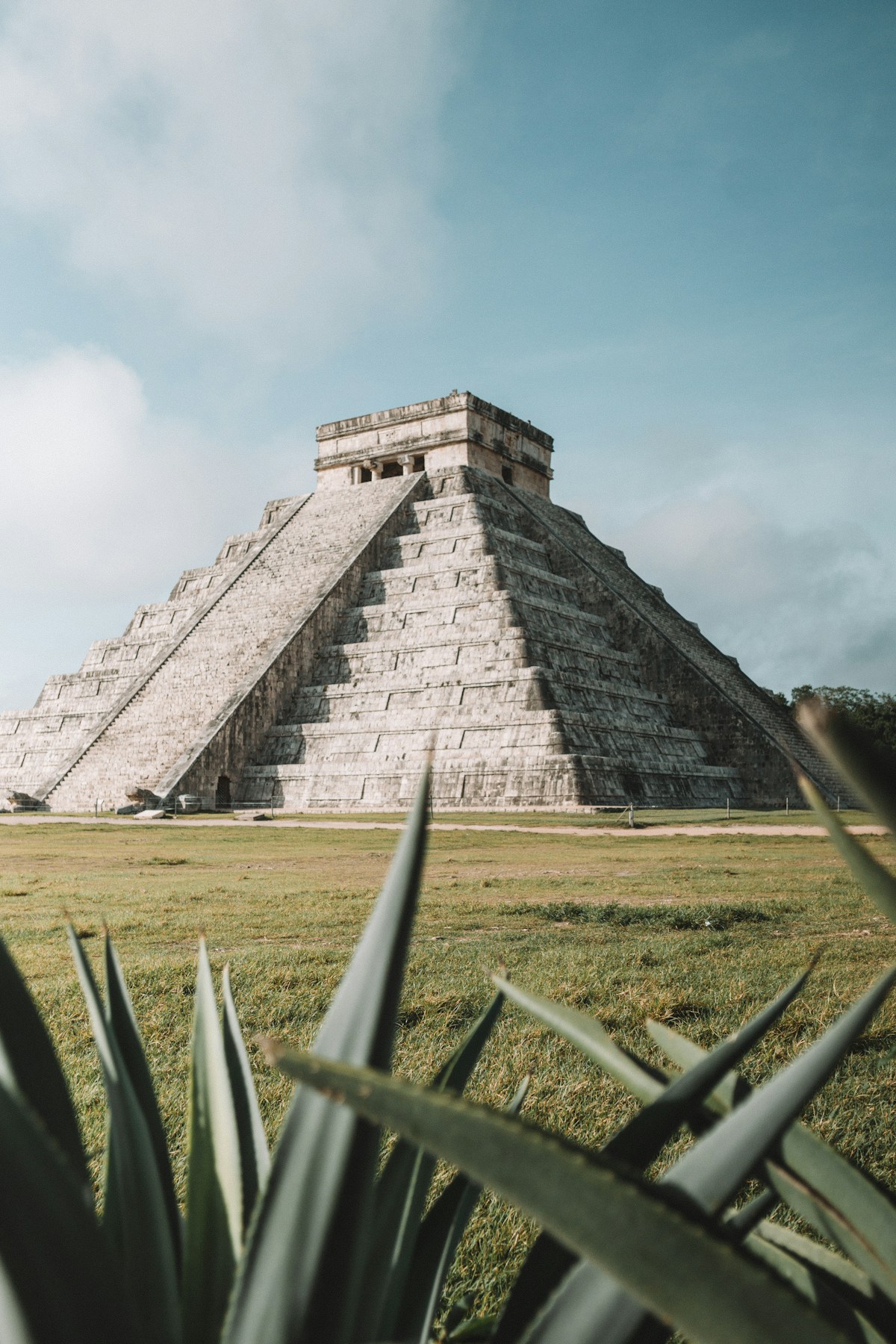
Mexico has one of the Western Hemisphere’s deepest and most complex cultural histories - Olmec, Maya, Aztec, and colonial Spanish civilisations have left tangible archaeological and architectural legacies across the country. Teotihuacán, Chichén Itzá, Monte Albán, Palenque, and Tulum are world-class UNESCO sites. Colonial cities like Oaxaca, Guanajuato, and Mérida preserve 16th-17th century architecture at scale.
Costa Rica was not home to the large Mesoamerican civilisations and has a relatively modest pre-Columbian heritage. The culture is warm and the “pura vida” ethos is genuinely embedded in daily life, but cultural tourism (museums, archaeological sites, colonial architecture) is limited compared to Mexico.
Getting There and Around
Mexico has a large international airport network. Cancún, Mexico City, Los Cabos, Puerto Vallarta, and Guadalajara all have significant numbers of direct international flights from the US, Canada, and Europe. Domestic flights are frequent and relatively affordable (approximately MXN $800–2,500 as of 2026). ADO buses connect major coastal destinations.
Costa Rica is primarily served through Juan Santamaría International Airport (SJO, San José). Liberia (LIR) handles some North American charter and direct flights for the northern Pacific coast. Getting between regions - San José to Monteverde, Arenal to Manuel Antonio - takes longer than maps suggest due to mountain roads. Driving is the most flexible option; road quality varies significantly.
Safety
Mexico: Tourist areas in Mexico - Cancún, Riviera Maya, Oaxaca, Mexico City’s central neighbourhoods, Puerto Vallarta, Los Cabos - have strong tourist infrastructure and the vast majority of visitors experience no security issues. Some regions outside tourist circuits have elevated risks; standard advice is to stick to known tourist corridors and use registered transport. Read our safety in Mexico guide for specific guidance.
Costa Rica: Costa Rica has a stable democracy and is considered one of the safer countries in Central America. Street crime in San José and petty theft in tourist areas (particularly Caribbean coast) are the primary concerns. Overall, Costa Rica feels safer for independent low-research travel.
Verdict
Choose Mexico if:
- Food, culture, and history are priorities
- Budget is a meaningful consideration
- You want beach variety (Caribbean and Pacific)
- You want rich urban destinations (Mexico City, Oaxaca, Guadalajara)
- You’re flying from Europe (better direct options)
Choose Costa Rica if:
- Wildlife - especially land mammals and birds - is the primary goal
- You want a compact country where one base covers multiple ecosystems
- You prefer a country that feels safer to navigate independently
- Rainforest adventures, zip-lining, and volcano hiking are on the itinerary
Many experienced Latin America travellers end up doing both - they are different enough to complement each other on a longer regional trip.
Plan your trip: flights to Mexico · travel insurance · tours across Mexico.
Related City Guides
- Mexico City Travel Guide
- Cancún Travel Guide
- Oaxaca City Travel Guide
- Puerto Vallarta Travel Guide
- Los Cabos Travel Guide
- Tulum Travel Guide
- Guadalajara Travel Guide
Ready to Plan Your Trip?
See our itineraries for inspiration:
- 1 Week Mexico - one week covering Mexico City, Oaxaca and the beach
- 10 Days Mexico - ten days from the capital to the Caribbean
- 2 Weeks Mexico - the two-week Mexico circuit
- Budget Mexico Itinerary - a full Mexico trip on a budget
🏨 Hotels in Mexico —