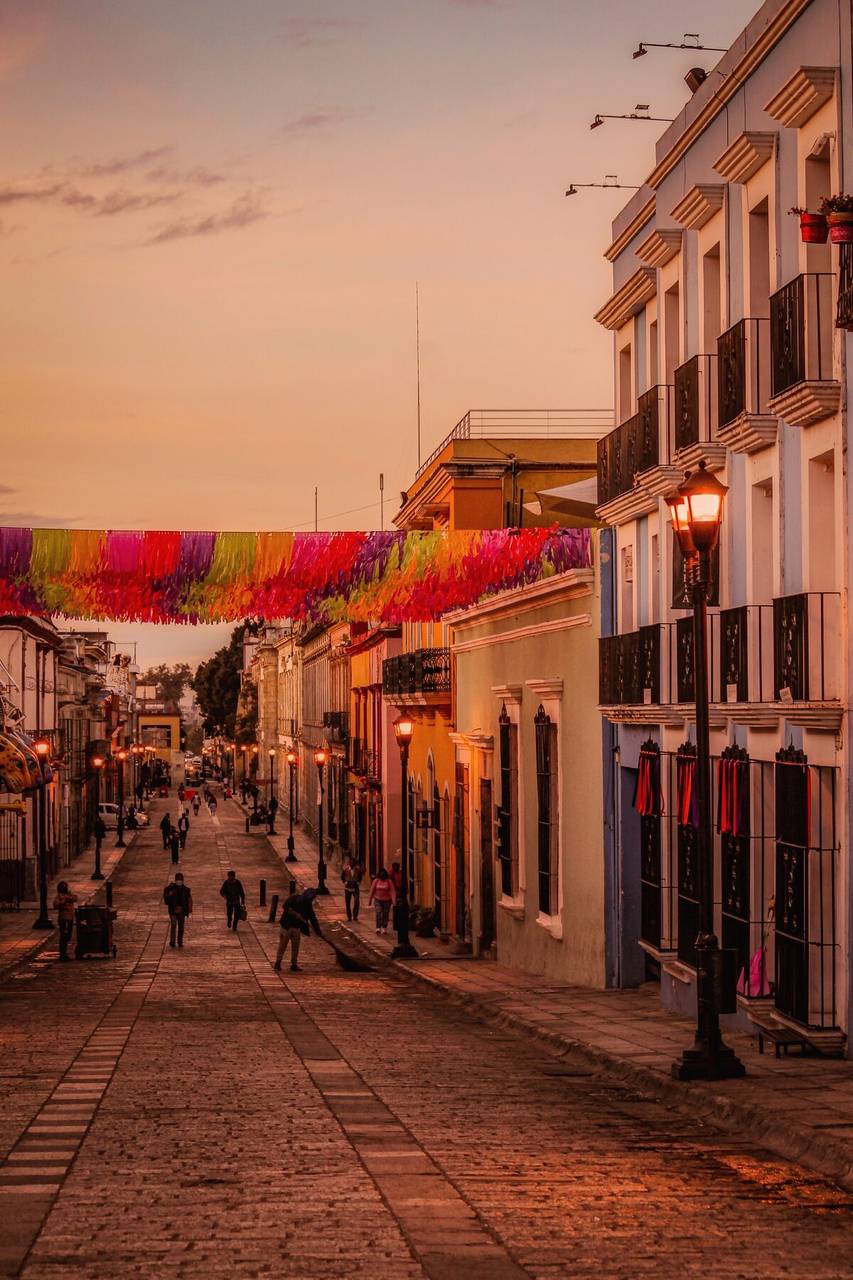
Guadalajara and Oaxaca are two of Mexico’s most celebrated inland destinations - both colonial cities with strong regional identities, outstanding food traditions, and a genuine sense of cultural pride. They occupy very different corners of the country and draw on entirely different heritage. Guadalajara is the capital of Jalisco, the home of tequila and mariachi, a large and confident modern city with a 16th-century cathedral heart. Oaxaca is smaller, higher, and quieter - an indigenous-colonial city whose food, art, and mezcal culture have given it an outsized international reputation. Here’s how they compare.
Quick Verdict
| Guadalajara | Oaxaca | |
|---|---|---|
| Altitude | 1,566 m, pleasant year-round | 1,550 m, pleasant year-round |
| Size | ~5 million (Mexico’s second city) | ~350,000 (compact, walkable) |
| Character | Confident, tapatío pride, urban | Bohemian, indigenous-colonial blend, artsy |
| Cuisine | Birria, tortas ahogadas, tequila | Mole negro, tlayudas, mezcal |
| Day trips | Tequila town, Lake Chapala, Tlaquepaque | Monte Albán, Hierve el Agua, mezcal villages |
| Beaches | Puerto Vallarta (5h by road or 45 min flight) | None nearby |
| Daily budget | MXN $700–2,200 | MXN $600–1,800 |
| Expat/nomad scene | Growing, sizeable tech and expat community | Long-established, arts and food focus |
| Best for | Tequila country, Orozco murals, urban Mexico | Food obsessives, mezcal fans, archaeology |
Costs
Both cities offer excellent value by international standards. Guadalajara runs marginally cheaper for accommodation in the mid-range category; Oaxaca offers better value on mezcal at source.
Guadalajara approximate daily costs as of 2026:
- Budget (hostel, market birria, metro/Uber): MXN $450–750
- Mid-range (boutique hotel, restaurant meals, tequila bar): MXN $1,000–2,200
- Comfort (Hotel Demetria or equivalent, craft cocktail bars): MXN $2,200–4,500
Oaxaca approximate daily costs as of 2026:
- Budget (hostel, market tlayudas, colectivos): MXN $400–700
- Mid-range (boutique guesthouse, restaurant mole, mezcal bar): MXN $1,000–1,800
- Comfort (Casa Oaxaca or equivalent, tasting-menu dining): MXN $2,000–4,500
Both cities are substantially cheaper than Mexico City’s gentrified neighbourhoods (Roma, Condesa, Polanco) for equivalent accommodation quality. The day-trip cost structures differ: Guadalajara’s Jose Cuervo Express train to Tequila town runs approximately MXN $1,200–1,800 all-in; Oaxaca’s Monte Albán day trip by colectivo and entry costs approximately MXN $150–200 total.
Food and Dining
Guadalajara is the birthplace of two of Mexico’s most distinctive regional dishes. Birria - slow-braised goat or beef in a rich chilli broth, served with consommé for dipping - originated in Jalisco and remains best in its home city. Birriería Las 9 Esquinas (Colón 384, the oldest barrio in the city, birria plate approximately MXN $120–160 as of 2026) is the classic address. Tortas ahogadas - a bread roll stuffed with carnitas then doused in spicy tomato-chilli sauce - are the defining street food, best at El Güero (16 de Septiembre 1128, approximately MXN $70–100). The city’s tequila and tequila-cocktail scene is unmatched anywhere in Mexico: the mezcalerías and tequilerías around Tlaquepaque and Zona Rosa pour with a depth and range that Mexico City bars cannot rival. See our mezcal and tequila guide for producer recommendations.
Oaxaca serves one of the most internationally acclaimed regional cuisines in the Americas. The seven moles - each distinct in colour, complexity, and heat - are the centrepiece; mole negro (with chocolate, dried chillies, and charred tomato) is the most complex and the most copied. Mercado 20 de Noviembre (Avenida 20 de Noviembre, off the Zócalo) has open charcoal grills where you choose raw tasajo, chorizo, or tlayuda base and cook at your own fire for approximately MXN $120–200. Restaurante Los Pacos (Abasolo 113, mains approximately MXN $150–280) and Criollo (Lincoln 102, seasonal tasting menu approximately MXN $1,200) represent the mid-range and fine dining ends. Oaxacan mezcal - artisan-produced in clay pot stills around Santiago Matatlán - is both very good and very cheap at source: expect MXN $80–150 for a 50ml pour of single-village espadín in a local mezcalería, versus MXN $200–350 for the same pour in Mexico City. See our regional cuisines guide for the full picture.
Culture and Architecture
Guadalajara’s cultural heart clusters around the magnificent Cathedral (completed 1618, free entry), which anchors four adjoining plazas - Plaza de Armas, Plaza de la Liberación, Plaza Fundadores, and Plaza Guadalajara. The real cultural prize is the Instituto Cultural Cabañas (Hospicio Cabañas, Plaza Tapatía, approximately MXN $90 entry as of 2026), a UNESCO World Heritage site that houses José Clemente Orozco’s monumental fresco cycle - the Man of Fire in the dome chapel is considered one of the greatest paintings in the Americas. The Palacio de Gobierno staircase Orozco mural (free) is another unmissable stop. Tlaquepaque (15 minutes south, Uber approximately MXN $50–70) is Mexico’s finest artisan craft neighbourhood: independent ceramics workshops, blown glass studios, and quality design shops line pedestrianised cobblestone streets. Read more on the Guadalajara city hub.
Oaxaca blends Zapotec and Mixtec indigenous heritage with Spanish colonial architecture in a compact, walkable historic centre. The Templo de Santo Domingo (free entry) is one of the finest Baroque churches in Mexico; its adjacent cultural museum complex (entry approximately MXN $90 as of 2026) displays extraordinary pre-Hispanic Zapotec gold jewellery from Monte Albán’s Tomb 7. The neighbourhood of Jalatlaco - seven blocks of narrow, flower-draped streets with indie cafés and boutique shops - is considered one of Mexico’s most photogenic urban neighbourhoods. The city’s contemporary art scene, anchored by galleries around the Zócalo and García Vigil, is disproportionately strong for a city of this size. Read more on the Oaxaca City hub.
Day Trips
Guadalajara day trips centre on the tequila heartland of Jalisco and the natural landscapes to the south:
- Tequila town (60 km west, Jose Cuervo Express train approximately MXN $1,200–1,800 all-in including tastings): the town where tequila was born, surrounded by blue agave fields; the train makes it a festive full-day excursion.
- Lake Chapala (50 km south, approximately 1 hour): the largest natural lake in Mexico, with the expat towns of Ajijic and Chapala on its northern shore.
- Tlaquepaque (15 minutes south, easily reached by Uber): ceramics and artisan craft district - a half-day adds nicely to a city day.
- Mazamitla (120 km southeast): mountain village at 2,200 m with pine forests, traditional architecture, and cool temperatures.
Oaxaca day trips combine archaeology, craft villages, and mezcal distilleries in compact distances:
- Monte Albán (10 km from city centre, approximately MXN $95 entry, colectivo MXN $40 each way): Zapotec capital with panoramic views and extensive ruins on a flattened mountaintop - one of Mexico’s most spectacular archaeological sites.
- Hierve el Agua (70 km east, entry approximately MXN $30, colectivo tour approximately MXN $300–400): petrified waterfall mineral formations above a valley - genuinely unlike anything else in Mexico.
- Tlacolula Valley Sunday market (45 minutes east): the largest indigenous market in Oaxaca state, operating since pre-Columbian times; buy mezcal direct from producers.
- Mezcal distilleries around Santiago Matatlán (50 km east): free or low-cost visits to artisan palenques using ancestral clay pot (olla de barro) distillation; some of the most complex mezcal in Mexico is produced here.
Accommodation
Guadalajara options across budgets:
- Hotel Demetria (Monteverdi 1232, Zona Rosa, approximately MXN $2,000–3,200/night as of 2026): the city’s finest boutique property, rooftop pool, excellent service.
- Hotel Morales (Avenida Corona 243, Centro, approximately MXN $900–1,600/night): restored 19th-century building in the historic centre, reliable mid-range.
- Hostel Hospedarte Centro (Maestranza 147, dorm approximately MXN $300–450/night): central, well-run, popular with backpackers.
Oaxaca boutique options:
- Casa Oaxaca (García Vigil 407, approximately MXN $3,000–4,500/night as of 2026): rooftop dining and views, considered the city’s finest small hotel.
- Hotel Quinta Real Oaxaca (5 de Mayo 300, former 16th-century convent, approximately MXN $2,500–4,000/night): extraordinary building, atmospheric cloister courtyard.
- Hotel Catedral (García Vigil 105, approximately MXN $900–1,400/night): central, clean, reliable mid-range.
- El Diablo y La Sandía Hostel (Abasolo 217, dorm approximately MXN $280–400/night): popular, well-located budget option.
Search hotels in Guadalajara → · Search hotels in Oaxaca →
When to Visit
Guadalajara is comfortable year-round at 1,566 m altitude - mild days and cool evenings even in summer. Rainy season (June–September) brings afternoon downpours but the mornings are clear. Best festival timing: International Mariachi Festival (late September/October) and International Film Festival (March). Avoid Semana Santa if you dislike crowds in the historic centre.
Oaxaca: April–May and October–early November are ideal: dry, clear, without peak-season crowds or festival pricing. Day of the Dead (1–2 November) and Guelaguetza (third Monday of July, a regional dance festival with extraordinary indigenous costume and performance) are peak events - spectacular but expensive and very heavily booked; reserve accommodation months ahead. June–August is rainy season but the city remains highly functional and the green Oaxacan valley is beautiful.
How Many Days for Each City?
Guadalajara minimum: 3 days covers the Cathedral plaza complex, the Cabañas murals, Tlaquepaque, and one day trip to Tequila town. 4–5 days adds Lake Chapala, more time in Zapopan, and a slower pace through the city’s markets and mezcalerías. A week allows the full Guadalajara experience plus Mazamitla.
Oaxaca minimum: 3 days covers the historic centre, Mercado 20 de Noviembre, and Monte Albán. 4–5 days adds Hierve el Agua, the Tlacolula Sunday market, and a mezcal village excursion. A week is genuinely rewarding - Oaxaca is one of those cities that improves with slow travel.
Combined: For a Guadalajara + Oaxaca itinerary via Mexico City, allow 3–4 nights in each city, with a 1-night Mexico City connection. Total: 8–10 days minimum. This three-city circuit is one of the finest inland Mexico itineraries.
Digital Nomad Comparison
Guadalajara has a growing tech and startup community (the city is nicknamed the “Silicon Valley of Mexico”) and a sizeable North American expat scene centred on Zona Rosa and Providencia. Coworking spaces including WeWork Guadalajara and Gangplank run approximately MXN $2,500–4,000/month. Furnished apartments in Zona Rosa and Colonia Americana run approximately MXN $10,000–20,000/month. The city’s size means practical conveniences - international airport, reliable fibre internet, good hospitals - are easily accessed. See our Guadalajara digital nomad guide for neighbourhood and coworking detail.
Oaxaca has a longer-established arts, food, and nomad scene. Coworking from approximately MXN $1,800–3,200/month at spaces like Cowo Oaxaca. Furnished rooms in Jalatlaco and Reforma start from approximately MXN $9,000–16,000/month. The altitude (1,550 m) means comfortable year-round temperatures without air conditioning costs, and the food and cultural life reward long stays. Internet infrastructure has improved significantly; most coworking spaces offer reliable 50–100 Mbps connections. Oaxaca is generally preferred for long stays by visitors who prioritise food culture, arts, and walkability over city scale. See our Oaxaca digital nomad guide for full detail.
Verdict
Choose Guadalajara if you want Mexico’s tequila heartland at source, José Clemente Orozco’s murals (genuinely unmissable), the craft galleries of Tlaquepaque, and a large Mexican city that retains a distinctive regional identity without the scale of CDMX.
Choose Oaxaca if food and mezcal culture are the primary draw, you want a compact, highly walkable city with outstanding street food and one of Mexico’s finest archaeological sites (Monte Albán) on the doorstep, or you’re travelling during Day of the Dead or Guelaguetza.
For a genuinely exceptional Mexico trip: include both. Connect via Mexico City - a 1-hour flight from Guadalajara and another 1 hour to Oaxaca makes a logical three-city loop. Guadalajara and Oaxaca represent the tequila and mezcal halves of Mexico’s great spirit culture, and the contrast between the two cities is one of the country’s most rewarding inland journeys.
Plan your trip: tours in Guadalajara · tours in Oaxaca · flights to Mexico · travel insurance.
Related Comparisons
- Guadalajara vs Mexico City - Guadalajara versus Mexico’s capital
- Mexico City vs Oaxaca - Mexico City versus Oaxaca compared
- Mérida vs Oaxaca - two other top cultural cities compared
Related City Guides
Ready to Plan Your Trip?
See our itineraries for inspiration:
- Mexico City to Oaxaca - the classic Mexico City to Oaxaca route
- Oaxaca and Chiapas - southern Mexico’s highland circuit
🏨 Hotels in Guadalajara - Hotels in Oaxaca
Plan Your Trip
✈️ Book your flights to Mexico 🛡️ Get travel insurance 📱 Stay connected with an eSIM 🚗 Rent a car